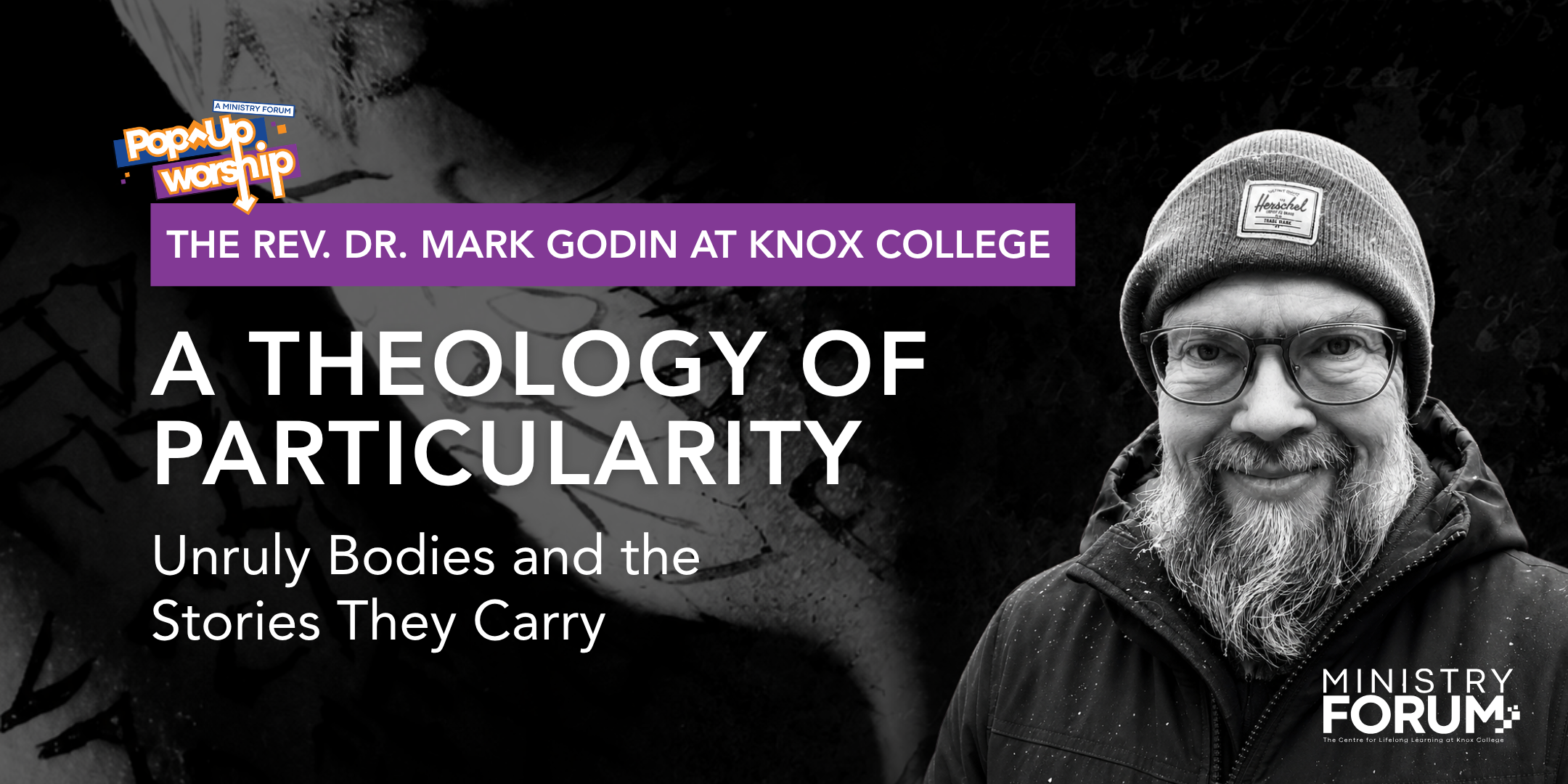
A lecture and conversation about discerning the body, the unruliness of flesh, and the stories our bodies carry.
In his new book, A Theology of Particularity: Unruly Bodies and the Stories They Carry, the Rev. Dr. Mark Godin considers the place of bodies in Christian theology and the stories our bodies carry.
Bringing Christian theology into conversation with literature, the book considers the finitude, plurality, diversity and relationships of embodied human life. It also asks what it means to discern the body, and what that discernment might mean for our relationships with ourselves, each other, and the divine.
1:00 p.m. | Chapel Worship
Mark will preach in the Knox College Chapel at 1:00 p.m.
Recording will be available at a later date.
2:30 p.m. | Lecture & Conversation
Mark will be joined by the Rev. Dr. Sarah Travis for a conversation about his new book.
The lecture and conversation will also be recorded.
About The Rev. Dr. Mark Godin
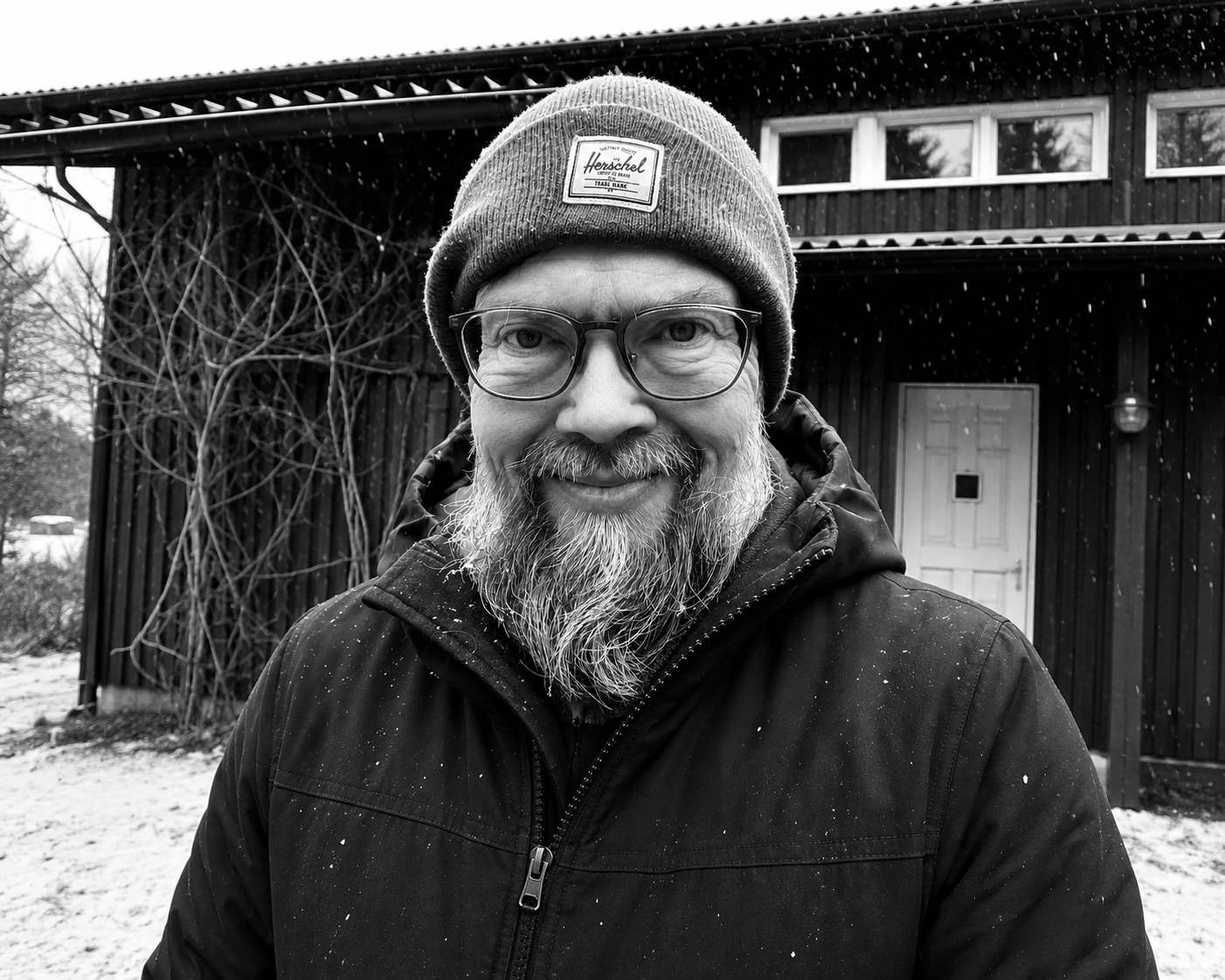
Mark Godin was baptized and grew up in St. Andrew’s Hespeler Presbyterian Church, in Cambridge, Ontario. After discerning a call to ministry, he started at Knox College in 1997. He served as student minister at Knox, Bayfield, one summer; for his field education, he interned at St. Andrew’s, Saskatoon, over the turn of the millennium. After graduation, Mark was called to St. Andrew’s, Melbourne, Québec, where he served and learned for several years before taking up the Knox College Travelling Scholarship and going on to doctoral studies in theology at the University of Glasgow in Scotland. While studying, he became involved with the Church of Scotland, being part of the evening service worship team at the parish he attended and a member of the preaching rotation during a vacancy. Later, Mark served several periods as locum minister (stated supply with some pastoral duties) in various Glaswegian parishes (Provanmill, Gairbraid, and Possilpark). At the university, Mark also met his spouse, Alana, a fellow student at the Centre for Literature, Theology and the Arts. After they both earned their doctorates, Mark went with Alana when she was hired as a postdoctoral fellow for a year at the Swedish Theological Institute in Jerusalem. Following that and another year in Glasgow, they moved to Chester England, and then Liverpool. Mark served as part-time minister of St. Andrew’s Handbridge United Reformed Church. He was a visiting lecturer at several universities, teaching ethics and literature as well as theology, and for a time worked at an organization which supports adults with disabilities to live independently. Mark is now based in northern Sweden, where his spouse teaches at Umeå University. He writes, does freelance work, is learning Swedish, and reflects on what it means to be Presbyterian in a largely Lutheran land.
Mark has published and presented work on practical theology, interfaith relations, ecclesial repentance, and theology and literature; current research interests include institutional structure and reform, and theological reflection on translation. A Theology of Particularity: Unruly Bodies and the Stories They Carry is his first book.
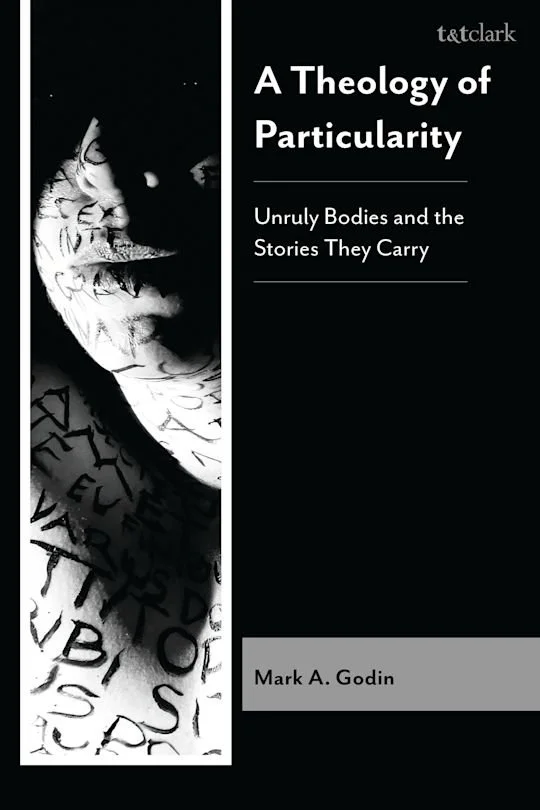
About A Theology of Particularity
“This new account of body theology enriches the field through critical conversation with novels drawing on Christian, Jewish, Buddhist, and secular themes. Godin shows how and why bodies too often retreat or disappear from view even in those theologies which most claim to centre them. Bodies are shown, via ‘literary portraits of embodied life’, to be simultaneously vulnerable and persistent carriers of meaning.” - Susannah Cornwall, University of Exeter, UK
This book defines a Christian theology of the body, considering the unruliness of the flesh and the stories our bodies carry. Within the Bible and religious practices, our bodies are often viewed as either one-dimensional, purely symbolic objects or the embodiment of sinful degradation. Mark A. Godin resists this turn, arguing that bodies carry stories and stories interpret bodies. This book asserts the need to recognize the body within theological inquiries. Across twelve chapters, Godin inquires: what does it mean to discern the body and what impact might this have on our relationships with ourselves, each other, and the divine? Part One consists of a critical examination of Christian theological traditions concerning bodies and stories as displayed in the work of four modern Christian thinkers. In Part Two, Godin turns to storytelling itself and investigates the portrayals of bodies in five novels. Ultimately, Godin uses fictional and real depictions of the body to define a Christian theology which attends to the concrete materiality of actual persons in the world.