
Listening for the Sacred: Spiritually Integrated Listening Skills for Peer Support
This interactive training introduces peer supporters in ministry contexts, including clergy and lay leaders, to the practice of spiritually integrated listening. Participants will explore how spirituality may be expressed explicitly or implicitly in a person's story, and how listeners can recognize spiritual cues and gently invite deeper exploration without imposing their own beliefs or theological framework.
The session will focus on curiosity, empathetic presence, strengths-based listening, and the safe and effective use of self.
Participants will consider:
how to respond when someone's theology or spiritual perspective differs from their own
how to hold space for questions, doubt, grief, anger, and spiritual struggle
how prayer can be offered as an invitation rather than an assumption
Through reflection, examples, and small-group practice, participants will develop practical skills for noticing spiritual language, mirroring their peer’s own language for God or the sacred, asking open and curious questions, and discerning when and when not to introduce explicitly spiritual practices such as prayer or Scripture.
The training will also conclude by considering spiritually integrated self-care: what listeners draw upon before an encounter, how they remain grounded during it, and how they release what they have carried afterward.
Key learning points:
Notice spirituality in the stories of others.
Listen for both explicit and implicit spiritual cues, including spiritual resources and strengths, faith expression, identity, and belonging.Listen with curiosity and invite rather than impose.
Practice open, permission-based questions; mirror a person's own spiritual language; and discern when it may or may not be appropriate to introduce prayer or Scripture.Hold space for spiritual difference and vulnerability.
Develop greater comfort accompanying people with theological perspectives different from their own, without needing to shift them.Remain grounded as a listener.
Identifying spiritually grounded practices that support presence before, during, and after a peer encounter.
Click Here to Register
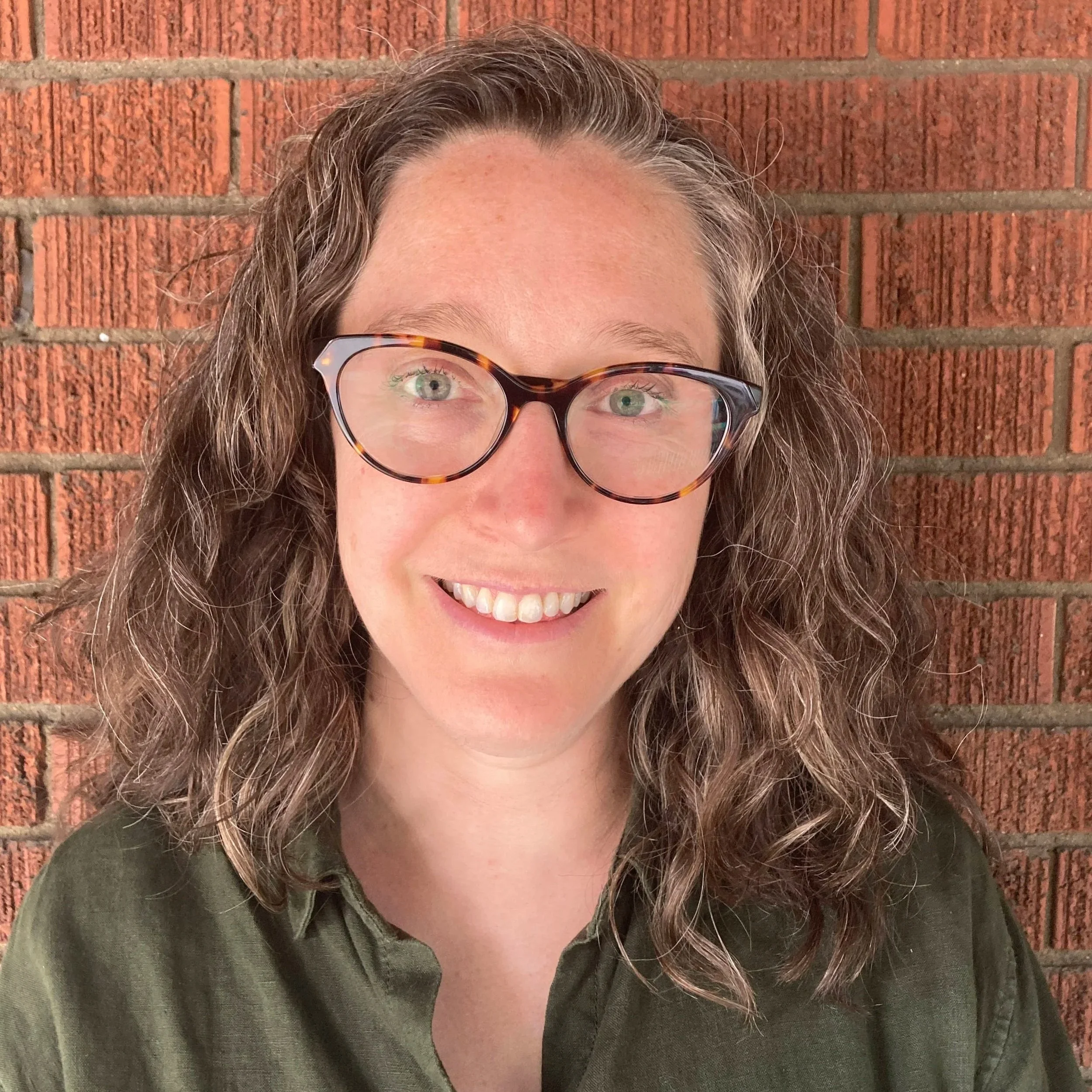
About Sara Traficante
Sara Traficante recently graduated Knox College with a Master of Psychospiritual Studies degree from Knox College, and Certificate in Spiritual Care and Psychotherapy from Toronto School of Theology. During this degree, Sara studied in the classroom, in community counselling, acute medicine, and palliative care settings. She is a Registered Psychotherapist (Qualifying) and has a private practice centred on trauma-informed spiritually integrated psychotherapy. This fall, Sara will return to Knox College in the Master of Divinity program as a candidate for ministry in the PCC. Before coming to ministry, Sara spent 20+ years in the classical music industry - recording, performing, teaching across Canada as a flutist. Sara lives in Hamilton with her husband, teen daughter, and miniature schnauzer.