
Guest Contributor, The Rev. Hannah Lovaglio shares a fresh perspective on stewardship, along with resources to help congregations cultivate generosity.
When the boiler broke, I was thrilled.
It’s not every day we get the opportunity to pool resources, invite participation, and discover what we can accomplish together. A broken boiler gave us a reason to do all three.
I realize this is an unusual response to an expensive building problem. I would certainly prefer our mechanical systems to remain in good working order. But I could see an opportunity for ministry in the conversations, decisions, and generosity that replacing it would require.
We would need to talk about why this building mattered. Who depended on it being warm? What happened here during the week? What did we hope would continue, or begin? We would need to make a clear invitation to give, and help people understand how their particular contribution belonged to something we could accomplish together. It was also a chance to put to test all the preaching and teaching towards generosity and abundance; had anyone been listening, or would muscle memory win again with a knee-jerk: no.
There was a boiler to replace, a coming winter, and a congregation to engage.
I enjoy this work. I know that isn’t true for every minister. Conversations about money can be uncomfortable, especially when we are already anxious about the church’s future. Asking can feel like one more demand on people who have given faithfully for years. We’ve inherited a lot of baggage from ministers who abused the topic, and institutions who insisted ministers leave money matters to the trustees, as if it isn’t a spiritual conversation. And when an urgent expense arrives, it can be difficult to see beyond the amount we need and the time we have to raise it and the way we’ve always done it.
Yet these conversations bring us into some of the most consequential territory of our lives: what we value, what we trust, what we hope for, and what we are willing to commit ourselves to. Money is already part of those questions. Stewardship gives us a way to explore them faithfully together.
That makes our approach important. We can communicate an expense in a way that leaves people feeling burdened. We can also help them see what their generosity makes possible and invite them to have a meaningful part in it. The financial need may be exactly the same. The experience of how we respond can be profoundly different.
As a minister, I want to help people explore the relationship between their faith and their money. What does trusting God mean for the resources we hold? How does gratitude become a practice beyond journals? What might we discover through giving that we cannot discover simply by agreeing that generosity is good?
We give in response. God has already reached for us in love, bended to us in tenderness, named us and claimed us and marked us: beloved. We respond to such grace in the same way we respond to the perfect gift: squeals and tears and hugs and disbelief and stuttered ‘thank you!’s—all reflections of the internal shift towards generosity that quietly took hold. Having received, we become better givers ourselves. Money is part of our response to God because it is part of our lives: bound up with our labour, our choices, our security, and our hopes.
These are tender conversations. Money carries different stories for each of us, and an invitation to give needs to make room for that complexity. There is room to ask what generosity might look like in this season of our lives, to pray about it, and to consider a response that is both thoughtful and consequential.
A shared project gives us an occasion to enter those questions together. Alongside “What will it cost?” and “How will we pay for it?” we can ask, “How might God be inviting us to grow through this?” The boiler needs replacing. In the process, we have an opportunity to practise our faith: to receive with gratitude, give with intention, and discover how God is forming us through both.
Working with Church Campaign Services in a previous congregation helped me think more deeply about these possibilities. I resonated with their approach and values, and now contribute regularly to their writing on stewardship. For colleagues looking for ways to nurture this kind of conversation in their own congregations, I’d like to share a few resources.
Church Campaign Services brings practical strategy together with a Reformed understanding of grace and generosity. Subscribe to keep the conversation in your inbox year-round, which is how often it belongs in our pulpits, too. If your congregation or ministry team would welcome a facilitated conversation about faith, giving, and cultivating generosity, I’d love to explore working with you.

Lake Institute on Faith & Giving is my favourite place to begin—and return to. Its extensive resource library connects research, stories, and practical strategies with deeper questions about faith and generosity. Explore the Resource Library, subscribe to Insights, or bring a story from the Faithful Generosity Story Shelf to your next stewardship meeting. There is plenty here to inform your practices and expand your imagination.
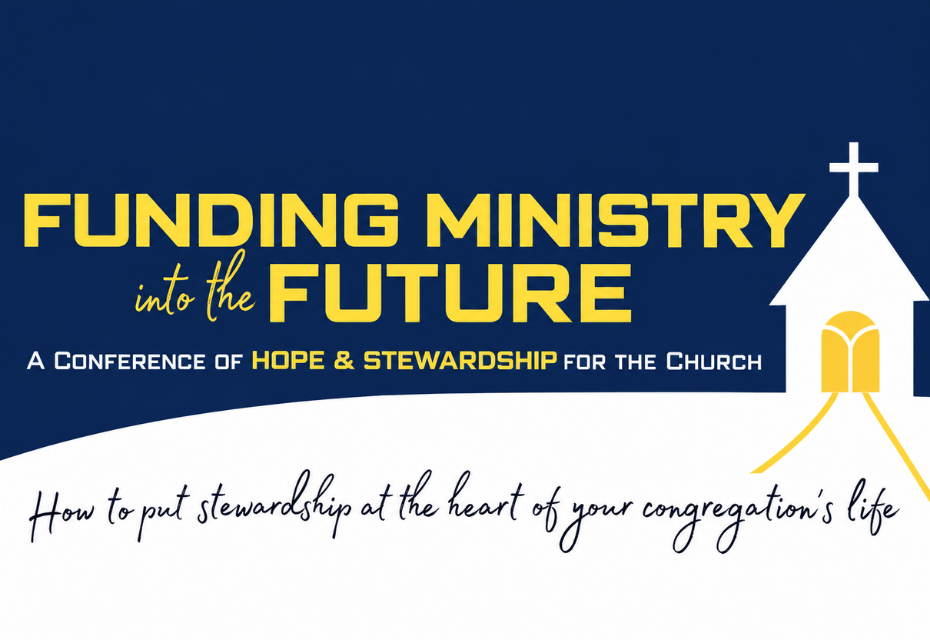
Funding Ministry into the Future: A Conference of Hope & Stewardship for the Church takes place November 20–21 at Knox Presbyterian Church in Waterloo, Ontario. Hosted by the PCC and planned with stewardship leaders across denominations, alongside practical workshops on inviting generosity, talking about money, telling the stories behind your budget, and thanking donors. Consider attending with someone from your congregation so the learning, and the possibilities, can take root together. See you there!

SALT Project offers beautifully designed, customizable stewardship resources, with themes including Abundant Life, Grace in Action, A Future with Hope, and Together for Joy. The kits bring worship and preaching ideas together with appeal letters, pledge cards, and graphics, helping congregations connect their financial invitations with scripture, prayer, and a shared theological vision. Plus, it’s beautiful. Because aesthetics matter.
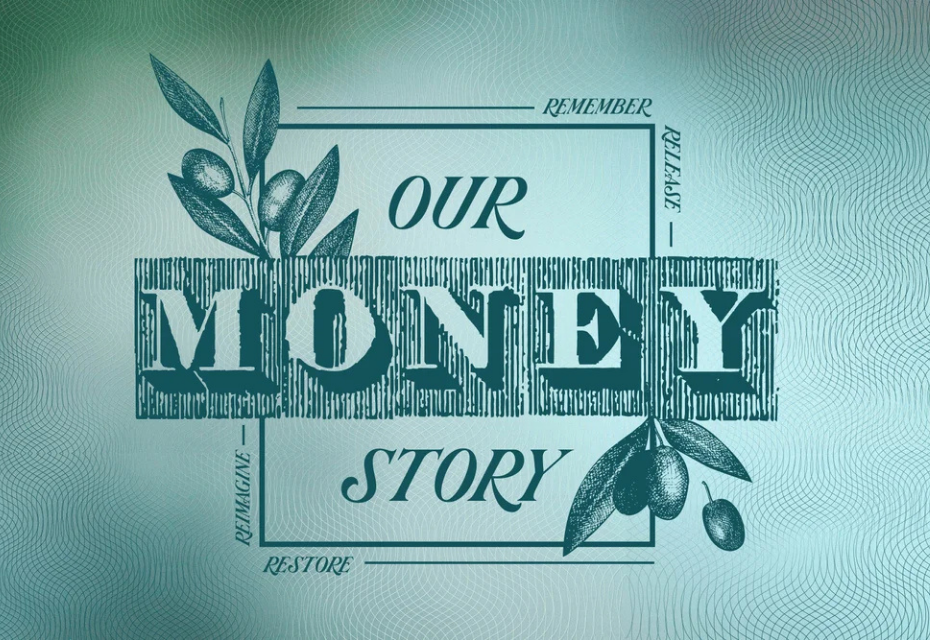
Our Money Story, from A Sanctified Art invites congregations to explore the stories that shape our relationships with money—and where God might be inviting us into a new narrative of liberation and justice. Organized around remembering, releasing, reimagining, and restoring, the series connects stewardship with faith through art, worship, and reflection. I appreciate Sanctified Art’s willingness to name what we often leave unspoken about money, and to trust that a little discomfort can be spiritually fruitful.
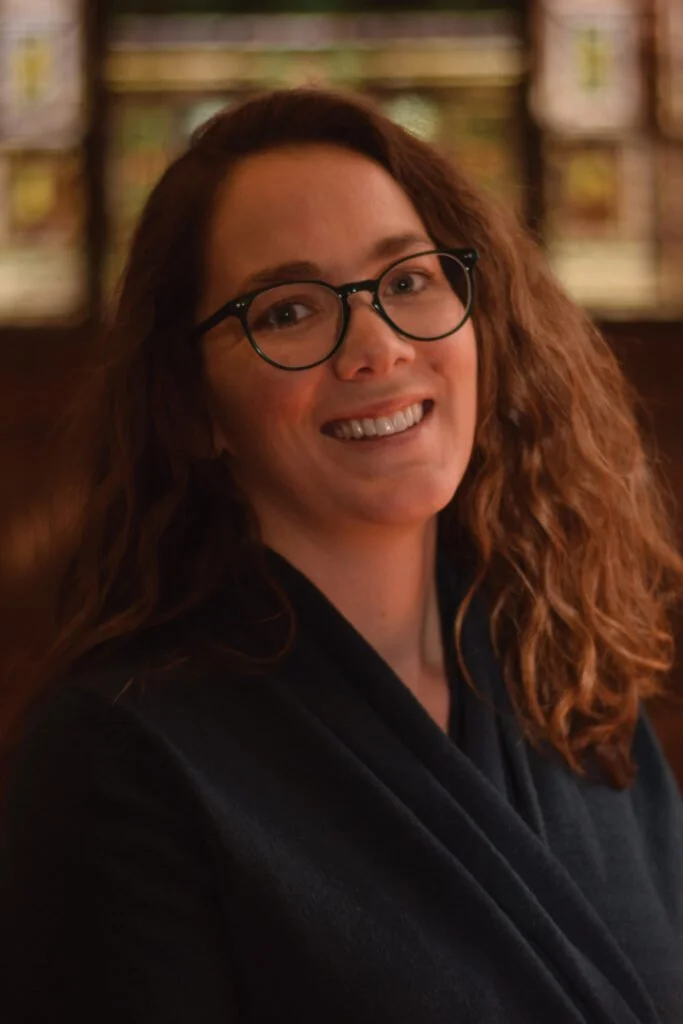
About Rev. Hannah Lovaglio
The Rev. Hannah Lovaglio is minister at Central Presbyterian Church in Hamilton, Ontario. Ordained in the PC(USA) and, after a little labour, induced into the PCC, she brings experience in ministry on both sides of the border. She writes regularly for Church Campaign Services and enjoys helping congregations explore generosity as a spiritual practice rooted in grace. She writes less regularly on Substack, Between Sundays. Her ministry brings together traditional worship, progressive theology, and curiosity about what God is making possible in community.