You Cannot Rename Away Our History
What are we doing when we reach for a language we do not speak, on behalf of a country that has spent four centuries attempting to erase it? I went on a bit of a deep dive… and I’m inviting you to come along with me.
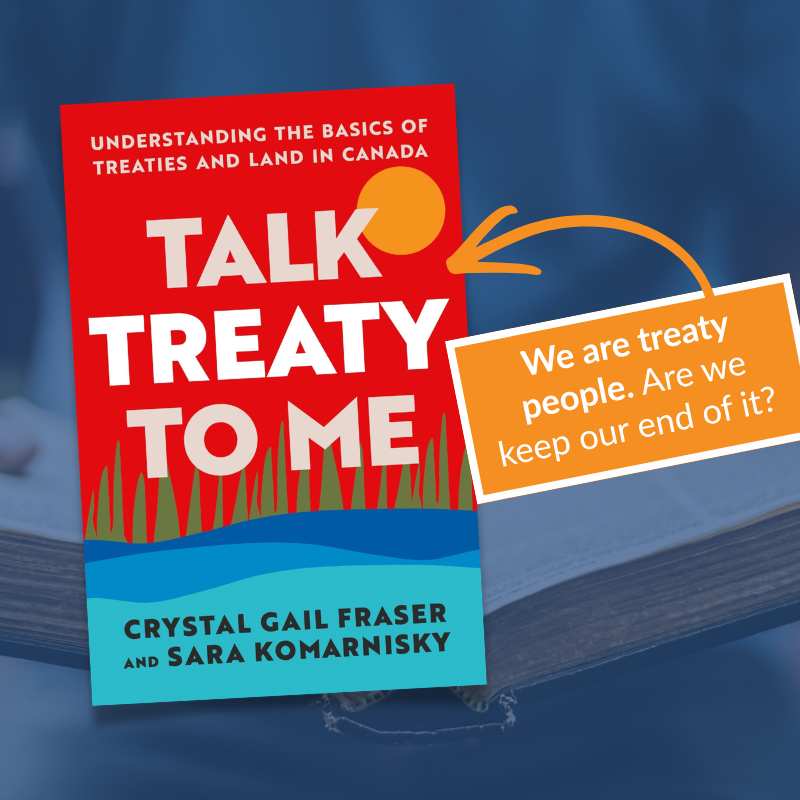
Talk Treaty To Me
The authors want to make clear that treaties are not historical artifacts that happened to Indigenous peoples. They are living agreements that make it possible for the rest of us to live, work, and worship where we do. Which means every one of us is a treaty person. But the question for the reader to reflect on is - are we keeping our end of it?
A Harder Acknowledgement
What would it take to write an acknowledgement that named genocide and ecocide honestly, and locally?

First Nations Version: An Indigenous Translation of the New Testament
Released in 2021 and led by Terry M. Wildman (Ojibwe and Yaqui), the First Nations Version: An Indigenous Translation of the New Testament is exactly what its name suggests—Scripture translated by Native North Americans, shaped by Indigenous storytelling traditions, and offered in English for both Native and non-Native readers.
The FNV is an invitation to listen differently.
Truth & Reconciliation 2025
May we continue to educate ourselves, reflect, and be spurred to action as we pursue justice and healing for Indigenous peoples in Canada.
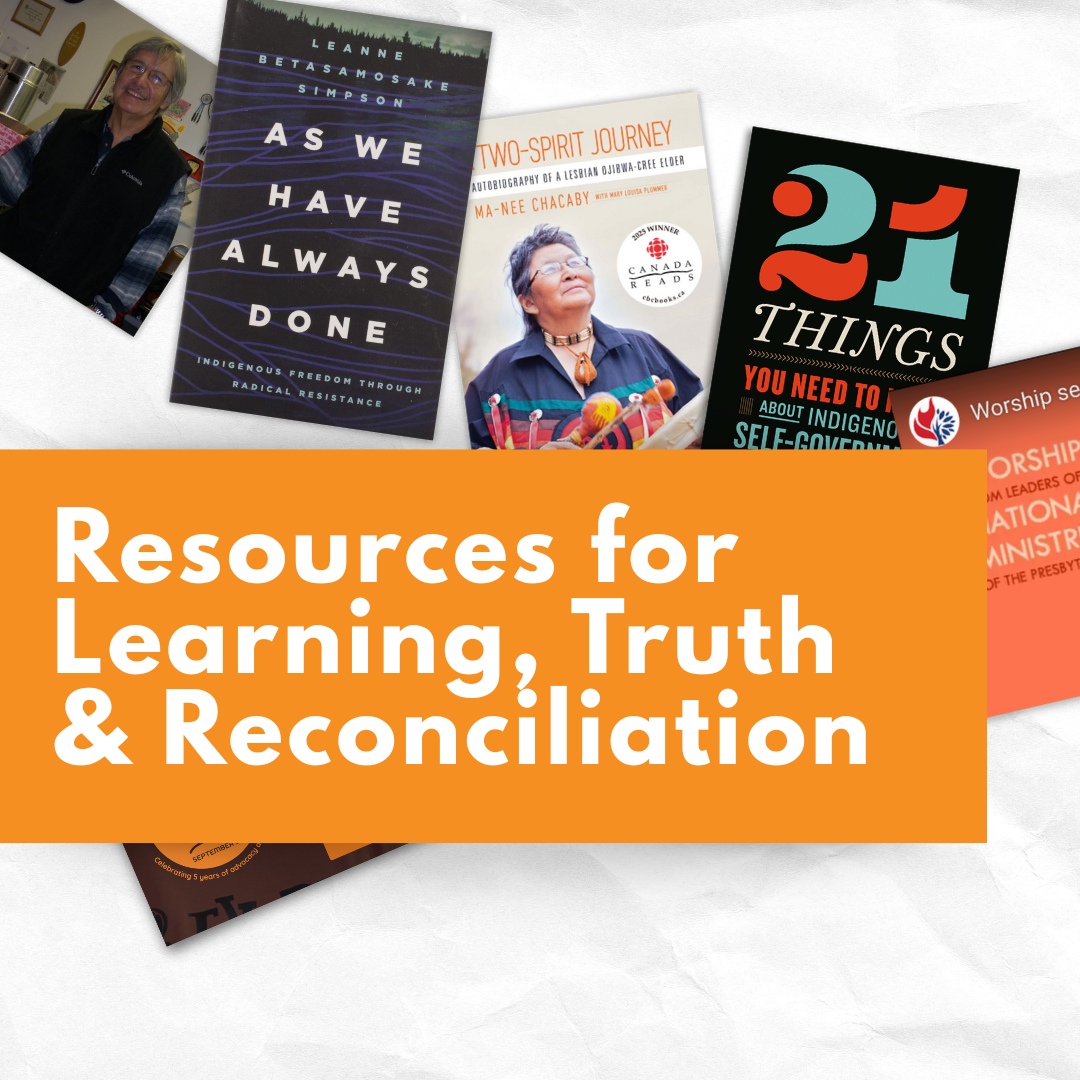
Resources for Learning, Truth & Reconciliation
Today we pause to reflect, lament, and recommit ourselves to the work of healing and justice. At Ministry Forum, we’re marking this week by weaving threads of reconciliation through everything we do—our podcast, blog, social media, and resource hub. Today, we offer you a curated roundup of past posts and a few fresh resources to support your own learning and leadership in the work of reconciliation.
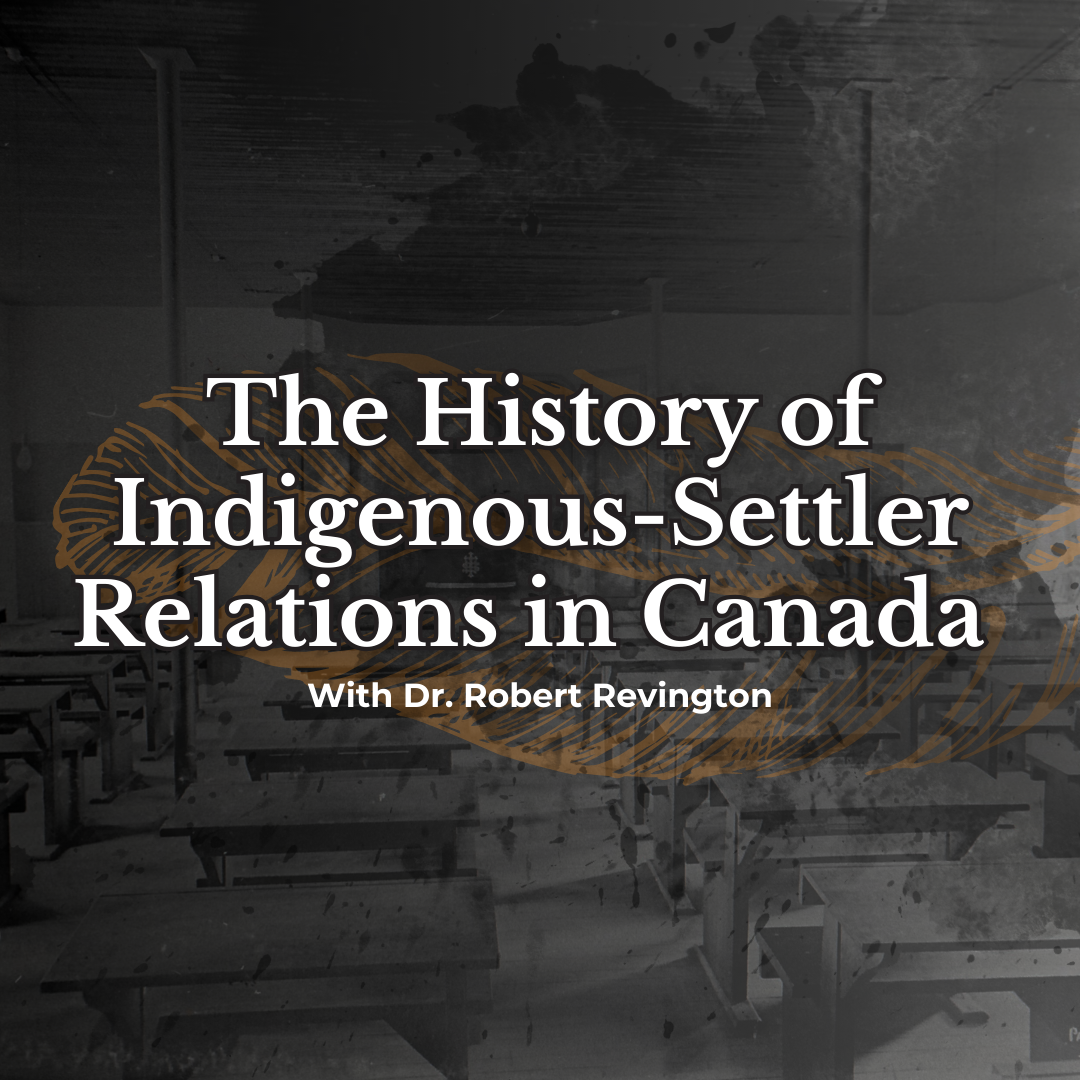
New Course: The History of Indigenous-Settler Relations in Canada
Taking this course won’t fix the past.
But it will help you understand it better.
And that’s an important part of the work we are all called to do.

Truth and Reconciliation Through Worship
Worship is not just a time for praise but also for reflection, lament, and commitment. When we include elements of Truth and Reconciliation in our services, we:
Acknowledge the Church’s role and recognize the harm that has been done, particularly in the context of residential schools and colonialism, and taking steps toward healing.
Create Space for Lament, acknowledge the pain and suffering endured by Indigenous peoples, while offering prayers for healing and justice.
Celebrate Indigenous wisdom by incorporating Indigenous spirituality and cultural elements can enrich our understanding of God and creation.
Commit to Action as worship inspires and motivates us to take tangible steps toward reconciliation beyond Sunday morning.

Indigenous Ministries of the Presbyterian Church in Canada
September 30 is the National Day for Truth and Reconciliation. How will you be marking this day in your ministry context? For those in our Presbyterian Church in Canada community, I’d suggest supporting one of our Indigenous ministries.