
The tragic events at Canadian Forces Base Wainwright have brought profound loss and suffering to members of the Canadian Armed Forces, their families, and the wider community.
Although this email is arriving in your inbox some time following the tragedy, ongoing reflection on how we respond is a practice that I hope to support alongside you.
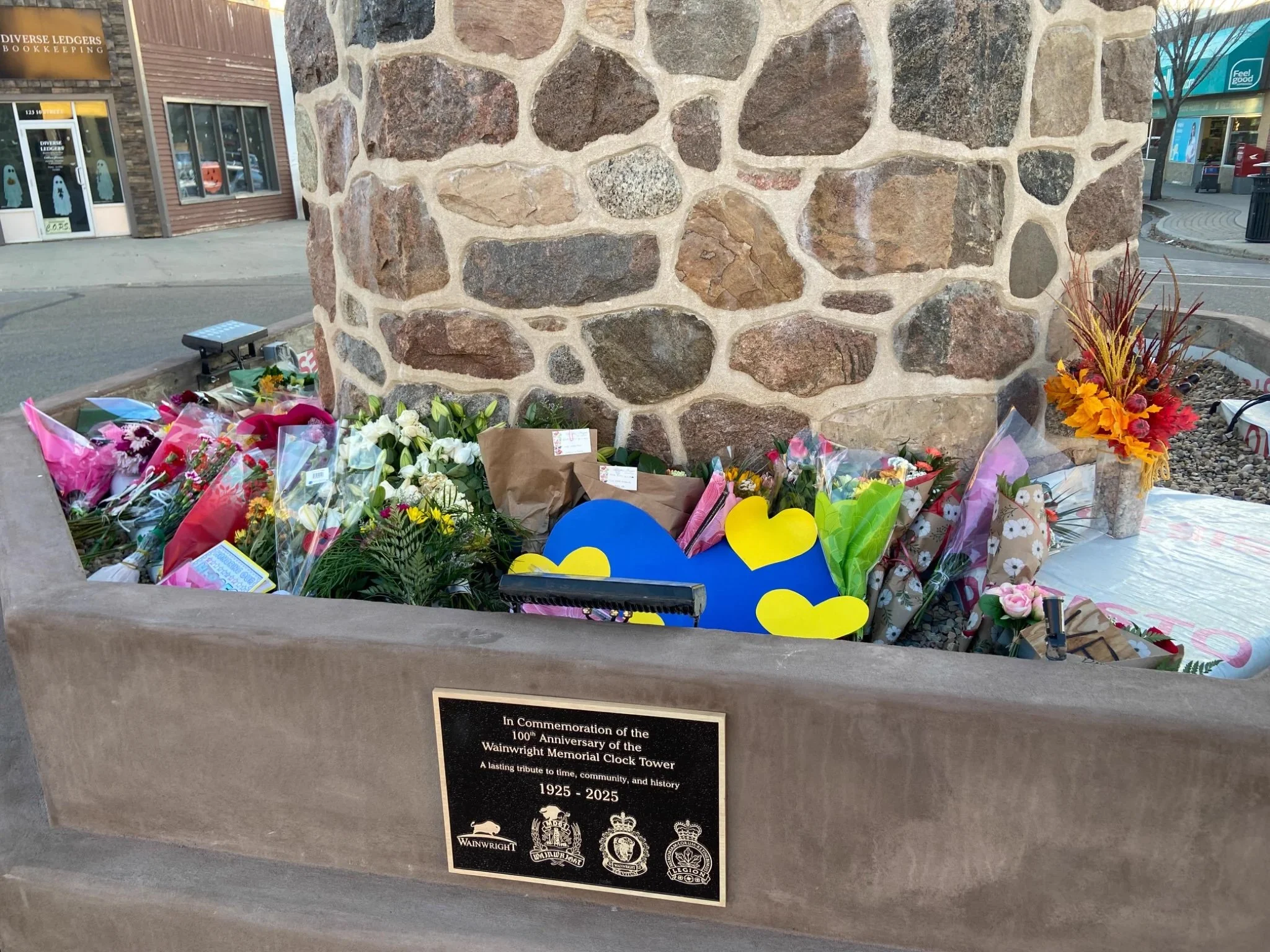
Photo credit: Sara Ryan, Reporter for Global Edmonton
As ministry leaders, both lay and clergy, we hold in prayer all who are grieving, those who have been injured, and those whose lives have been changed by tragedy.
We also remember the military chaplains, and others, who continue to accompany people through the difficult days ahead.
The task of ministry, spiritual care, and chaplaincy involves being the keeper of stories and supporting making meaning with the storytellers. Prayer can help us make sense of tragedy when it happens.
The Moderator of The Presbyterian Church in Canada, The Rev. Lara Scholey, has offered a prayer that speaks to the limits of our words in the face of suffering. The prayer acknowledges that there are times when grief is too deep for words, and that we may lean on the assurance of God’s presence who meets us there.
I am sharing this prayer, written with Presbyterians in mind while remaining helpful for a broader readership, along with a pastoral response from the United Church of Canada. I have included a reflection from Working Preacher on the language of lament, and two mental health resources.
Together, these resources invite us to consider how we, as ministry leaders, might respond when people are suffering in tragic events. From a psychospiritual perspective, suffering touches the whole person: body, mind, emotions, relationships, and spirit. There is no single right way to respond, and no timetable for healing. Sometimes our ministry is simply to offer a steady, compassionate presence. To listen, to make room for what is being carried, and to resist the urge to explain away the pain. Sometimes our ministry is to recognize when grief is complicated, and to assess that other services for those in our care may be what is needed.
As we accompany others, we are also reminded of our own humanity and the need to attend to ourselves! Those who offer care need places where they, too, can be held in their grief, uncertainty, and weariness.
The Presbyterian Church in Canada: The Moderator's prayer for those affected by the tragedy at CFB Wainwright
The United Church of Canada, Northern Spirit Regional Council: Pastoral letter on the CFB Wainwright tragedy
Luther Seminary, Working Preacher: Preaching the Language of Lament
Canadian Armed Forces: Military Mental Health
With appreciation for all you are doing in your ministries!
Sara
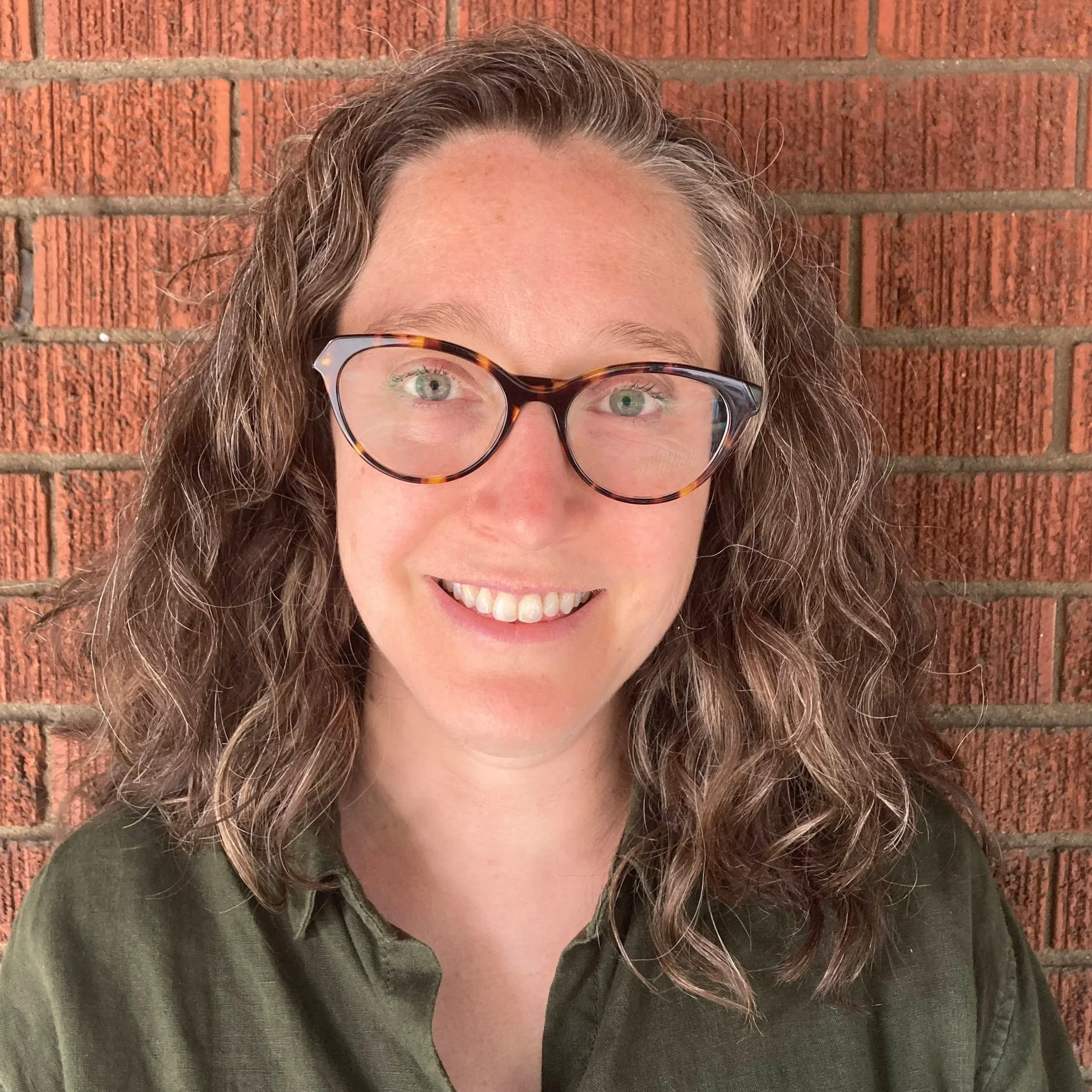
About Sarah Traficante
Sara Traficante is an MPS Graduate ‘26 and a current MDiv student at Knox College, nurturing her interests in spiritually integrated psychotherapy, spiritual care, and theology. Sara has 20-years-experience in the classical music industry, performing and teaching across Canada as a flutist. Her devotion to Christian service has been fostered for the past 14 years at Central Presbyterian Church (Hamilton) in children and youth programs, adult discipleship, music and choir, and with a special focus in social justice ministry. While a student at Knox College, Sara is completing Canadian Association for Spiritual Care (CASC) units, first at Community Counselling London in psychospiritual therapy, and currently at Niagara Health in spiritual care.