
When the Church Talks About Sex
Trigger Warning: The following content references and points to other content that talks about sexuality, rape, coercive control, harmful power dynamics within religious communities, death and suicide. These topics may be distressing to some readers. Please prioritize your wellbeing and consider having support available as you engage with this material.

I heard it said recently that the Church doesn’t talk about sex… and I immediately thought - that’s not true in some Church contexts. Perhaps in the PCC it is taboo, but not in many other Christian streams. The way it is talked about, in such pulpits, perpetuates much of the toxic perspectives that continue to subjugate women and put them in harms way everyday. And, perhaps not surprisingly, the ones doing the talking are men. Being stuck in my PCC bubble for most of my life, I had heard occasionally that some churches featured preaching series on “10 Keys to a Biblical Marriage,”“Four Essentials to Keeping a Strong Marriage,” or something similar. The Lectionary and my own approach to preaching kept me away from such series. My first exposure to a style of preaching that talked openly, crassly at times, about sex and marriage was when the podcast, The Rise and Fall of Mars Hill came out. As I listened, I was surprised about how graphic a charismatic preacher like Mark Driscoll was and stunned that such Sunday morning material was so popular. Such a hermeneutic approach was never covered in my homiletics classes at Knox College.
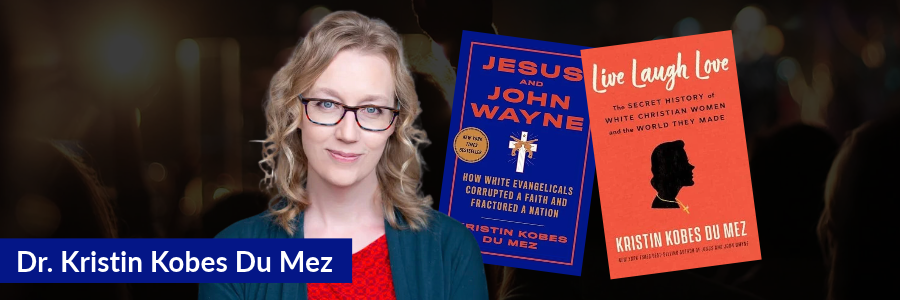
I began to encounter more and more of this as I bore witness as many of us have to the intermingling of American politics and Christian nationalism and how it treats women. Dr. Kristin Kobes Du Mez’s Jesus and John Wayne book was certainly eye opening in this regard as a name like Doug Wilson from Moscow, Idaho moved into the spotlight. I can also say that Kristin’s newest book, featured on today’s podcast - Live, Laugh, Love - exposes, in her historically methodological way, the world that women created for themselves in the universe of patriarchy, misogyny, and toxic masculinity.
And then I watched Death of a Pastor’s Wife on Netflix as it tells the story of Mica Miller groomed since she was thirteen years old by JP Miller, a pastor of the church who would become her husband and tormentor until the end of her short life by suicide (it is believed). I was again stunned by the clips of Sunday morning at the church that JP served… and couldn’t believe that people would sit through sermons where a “preacher” would distort the Bible to affirm an “obligation sex message” and often connect it to his own sex life. It is truly disgusting to watch. But, for Mica, and so many other women who know and are living her story, we should not simply look away.
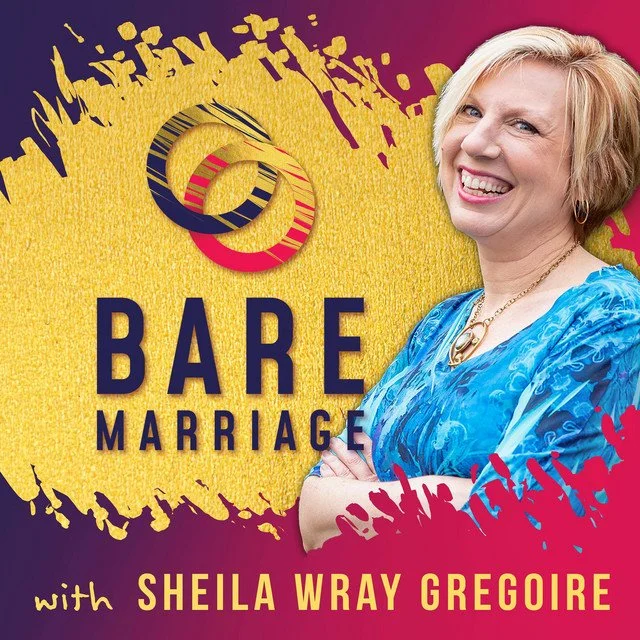
Sheila Wray Gregoire of Bare Marriage unpacks the show and how such messaging can become normalized in church contexts here. Gregoire is Canadian and has been researching and writing about marriage, family, and sex for over a decade now. Her podcast, Bare Marriage with Sheila Wray Gregoire offers “healthy, biblical, evidence-based advice” and the occasional commentary on current issues of the day.
With the stories that we hear about like the Cornell (50)7 and the many that never make the news cycle, I wonder if it is time for the pulpit to be a place where we talk more frankly and honestly about sex, marriage, and relationships. This can’t possibly be tidy and neat - it will be messy, complex, and so very difficult. But if the people we hope to reach on a Sunday morning are getting inundated with a message that says “The Bible condones this!” doesn’t it behoove those who preach, teach, and even seek to follow Jesus to get informed and offer a counter narrative. If you want to see someone who does this extremely well, I’d encourage you to check out Rev. Gerlyn Henry’s social media. Gerlyn is an Anglican priest in Scarborough. Her take on the Cornell 7 is a masterclass in what I’m suggesting and is so very needed today.
I don’t have any particular answers today but I hope that I’ve pointed you to a few voices and people to consider as you continue in your commitment to lifelong learning… and may such learning inform any action you may take when the time comes.