
Clergy Reflecting on the Sanctuary Mental Health Course
In this final episode of our three-part mental health series, we hear from Rev. Dr. Karen Dimock and Rev. Paul Kang, two ministry leaders who brought the course into their own communities. They share honest reflections on what surprised them, what stretched them, and how the course helped create spaces of safety, belonging, and deeper compassion. Their stories highlight the real work of integrating mental health, faith, and community life — and how learning together can quietly reshape a congregation’s posture toward care.
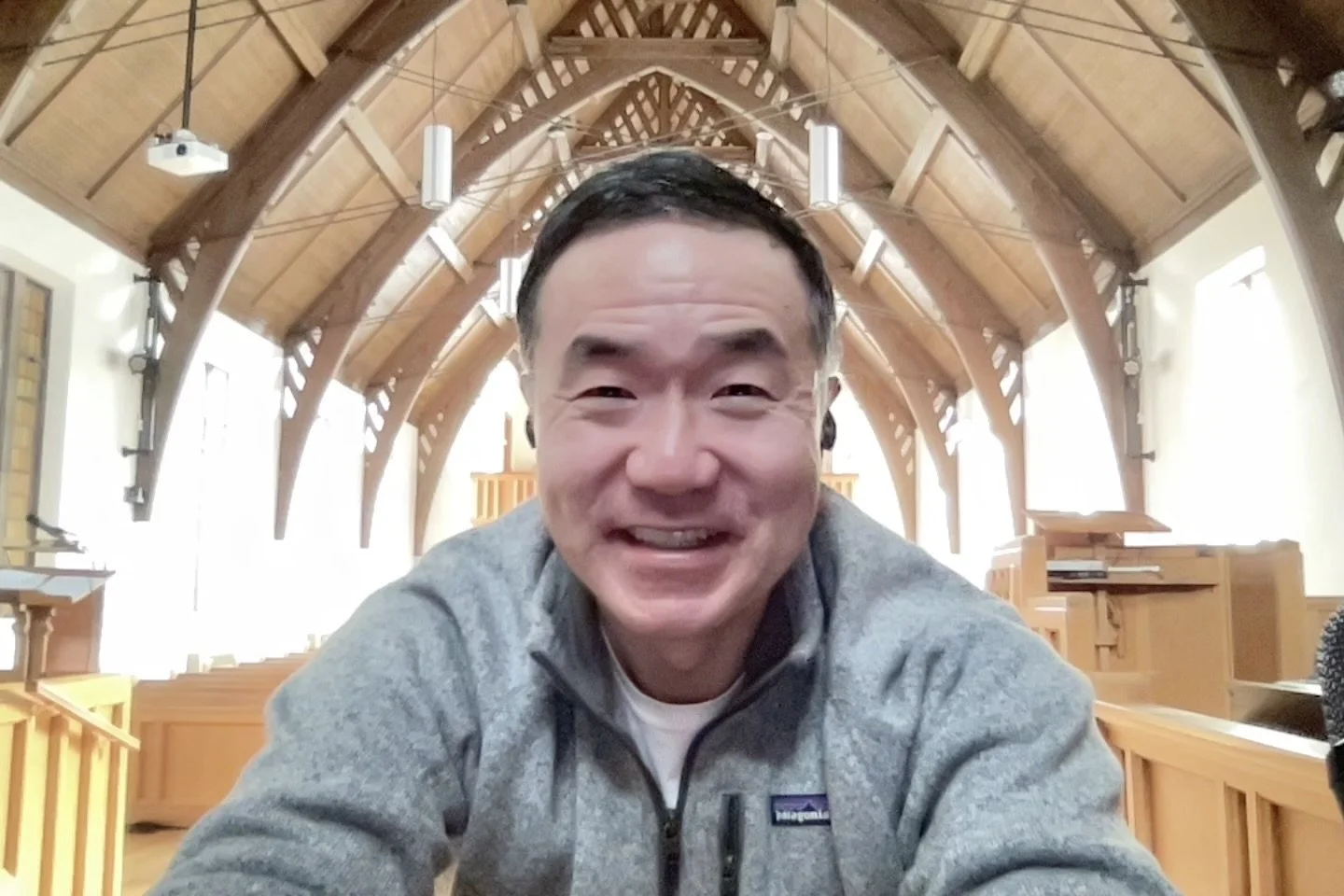
About Rev. Paul Kang
The Rev. Paul Kang - Paul is the minister of Leaside Presbyterian Church, Toronto. He has just completed his first year of called ministry with them. Paul had previously served as their Interim Minister in 2019 and 2020. He has also served other congregations as an Interim Minister.
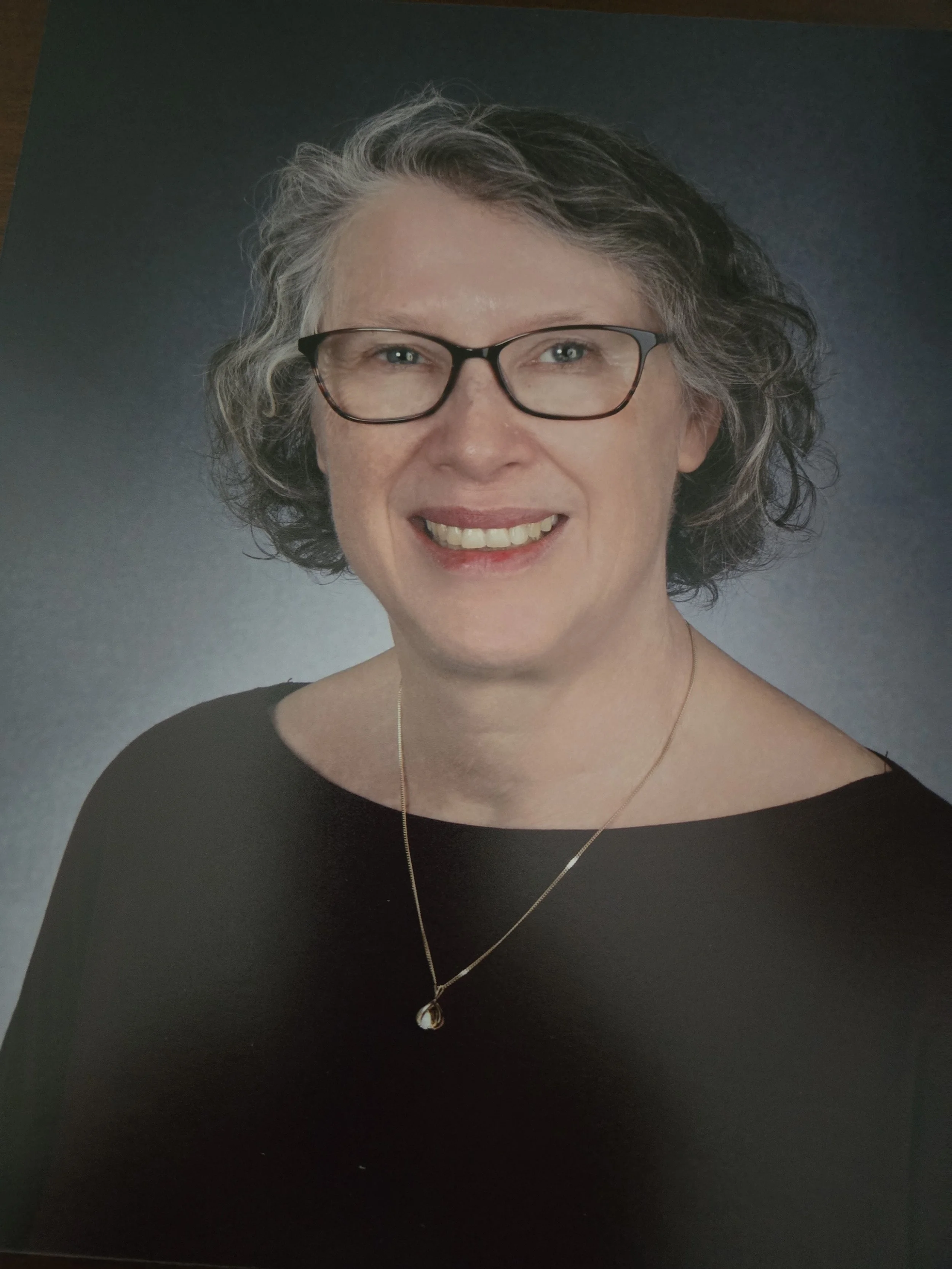
About Rev. Dr. Karem Dimock
The Rev. Dr. Karen Dimock - Karen was called to be the Minister at St. Andrew's in November of 2014. Prior to entering the ministry, Karen’s background was in the sciences and she has always had a passion for discovering the world in which we live, and our own place and calling in it. If you ask her what she enjoys most in her ministry, Karen will tell you it is the people and journeying together in faith and in Christ. Karen received her M.Div. from Knox College, University of Toronto in 2008 and served as Minister at Morningside-High Park Presbyterian Church in West Toronto for six years before coming to St. Andrew's. She is married to Hugh, they have three children and two dogs.
Show Notes
Sanctuary Mental Health Ministries - Learn More Here
Mental Health First Aid - Learn More Here
The Sanctuary Course on Ministry Forum - Find it Here
Follow us on Social:
Transcript
[Introduction]
Welcome to the Ministry Forum Podcast where we believe that you are not alone in your ministry journey. I'm the Reverend John Borthwick, your host coming to you from the Center for Lifelong Learning at Knox College. Here, we connect, encourage and resource ministry leaders all across Canada, in the joys, the struggles and everything in between. I love that I get to do this work, and most of all that, I get to share it with each and every one of you. So thanks for giving us a listen today. Whether you're a seasoned leader or just starting out, this podcast is made with you in mind.
[John Borthwick]
Well, welcome the Reverend Dr Karen Dimock and the Reverend Paul Kang. We're delighted to have you on the podcast. They're quite giggly this morning, but we're going to get through this I know, or this afternoon, let's begin with you guys introducing yourselves first. Let's start with Karen
[Karen Dimock]
I currently serve as the minister at St Andrews in Ottawa, and I should say the Downtown St Andrews. There's four St Andrews in the Ottawa Presbytery, because there's a lot of us, I've been there for almost 12 years. Run the Sanctuary course twice. I'm looking forward to starting it again for the third time coming up in a few weeks.
[John Borthwick]
So yeah, very pleased to be here. And what else to say? That's awesome. That's awesome. What about yourself, Paul, tell us a little bit about yourself. Where are you at?
[Paul Kang]
Hi, I'm at Lee side Presbyterian Church. It's in Midtown Toronto, and I've been here just over a year as their Yeah, and I ran the sanctuary course, just the one time within the first three months of coming here.
[John Borthwick]
Awesome. Well, let's dig into the theme of our conversation, talking about this sanctuary course. And it's wonderful, Paul, that you're you're talking to us in the sanctuary about the sanctuary course. That's great. So how did you hear about the resources from sanctuary, mental health ministries? Where did you first hear about them?
[Karen Dimock]
I was trying to remember that, because it's been a few years, but I know that they were the recipient of the ah Johnson award, the cutting edge of ministry award. So there, I think the first time I saw it, one of the members of my congregation pointed out to me an article about it in PC Connections. She's like, this looks really good, because we've been talking about, I think at that point we were just coming out of the pandemic. I had talked to people in the community, housing coordinator at the Y, a school principal the United Way, and they were talking about one of the really pressing concerns in the community at that point probably still is, was mental health, and we're certainly seeing signs of that in the church. So remember, the congregation pointed it out to me, and not long after that, I was in Vancouver, and at St Andrews Hall, they run it with their students. So the chaplain there met me to talk to me about it. There's Richard Watson, who's at Kerrisdale Presbyterian was running it at the time, invited me to a session. It was just really excellent. So and the material was all free, so it was not hard to access, and it was really impressive. So I was like, okay, hey, let's try this. So long answer.
[John Borthwick]
Yeah, well, that's good. That's great. And Paul, where did you hear about these resources.
[Paul Kang]
Three points of contact. The first was a wise Minister colleague by the name of Reverend Karen Dimock, that told me first about it. She ran it in her church, so I was intrigued, and then forgot about it. But then I was at General Assembly a couple years ago, and I was at the EH Johnson awards, and I listened to Daniel Whitehead talk about the program, and I thought it was, you know, very interesting. And so I got the overview there. And then third point of contact was the church administrator at our church in her home church, ran it there a couple of times. So three different people spoke very highly of it. And so then I was, was hooked and convinced.
[John Borthwick]
And what was it about the course that sort of piqued your interest? Paul, what would you say? You know, why? What interested you about the course? And then maybe a little bit about why you think this kind of course would be important or needed in the life of a congregation.
[Paul Kang]
I think the course, the way it was structured and organized, it helps facilitate discussions over several sessions. So it's a program that's almost like plug and play, where there was a curriculum to follow, but also lots of video videos and good questions to ponder. So I always wanted. Who You know, I know that mental health is a pressing issue in our church and in our society, and to have a space like a church where we can speak openly and hopefully be unafraid and share some of our vulnerabilities with one another, I thought this would be a great place, and especially without, having mental health professional experience or background myself, this course, really provided that kind of, that guidance and that confidence to offer that offer that space, and open that space up to people.
[John Borthwick]
awesome and Karen, What about yourself?
[Karen Dimock]
Just say what Paul said. But I think that there was, there really is the the depth and the of the resource, like, as Paul says, like, we're not mental health professionals, and there's a little bit of, how do I lead a conversation on this? And so it really did equip the leadership. The materials were fantastic. I'm a big fan of anything where you come together around a meal, so I think some, some of our best ministry happens there. So yeah, we could have a meal. I think in the resources itself, I really appreciated the video clips, there was a video beforehand, but there was always someone sharing their lived experience at the start, you know. So someone who was living with a particular mental health challenge and that, I mean, they were so vulnerable on those videos, you know. But it also gave us that helped us have a safe place to hear from someone, and yeah, it did a lot to create safe place. There was someone's story who had gifted their story to the group, and we could discuss that through the course guide. And it, I think it helped with boundaries and safety and intimacy. Made for really good conversations. It was a great start that that the way each week started was really excellent. And I appreciated that, like I sometimes joke that it's like alpha and for a different for the topic of mental health, because it is so well put together, right? The theologians, the sociologists, the psychologists, yeah.
[John Borthwick]
And was the design? Did the course itself give you suggestions? Like you said you had a meal? Was it like you should have a meal and do it? Was it in your context was it always in person as well? Like, was that highly recommended, or was there an option for a virtual kind of experience of it? Or what would you say?
[Karen Dimock]
From what I recall, there is some option for virtual but it was recommended for in person, and the people I talked to had who had led it, had advocated strongly for doing it in person.
[John Borthwick]
Yeah, I could see that for sure.
[Karen Dimock]
Yeah, I think there's something there in the course that helps you do it online. And I know I had thought about it, but I had enough people who were willing to come and do it in person. Yeah, when I offered it the first time, we were still at that phase where we were was two years ago now, so 2024 there were still some people who were hesitant about coming out in the winter, when people had colds, and so a lot of our ministry was still hybrid, but this we did in person.
[John Borthwick]
And was that the same for you, Paul, did you offer it in person, and was there a meal involved? Or how did you.
[Paul Kang]
Yeah, we thought that was important to have that human interaction. We did it on Sundays, after church, and we did it. We began with a with a meal, and that's where we got to know each other, and we actually did it during the season of Lent. So we timed it where our last session came just before Easter. So Easter was a big celebration. It felt like an even more important celebration as we journeyed together for those eight weeks and then celebrated the last class together with a meal.
[John Borthwick]
That's fantastic. Yeah. And what were your what were your hopes? I'm sure the I'm sure the course itself has a, you know, a series of learning goals or objectives or something like that. But what would you say were your hopes in offering this in the communities where you serve, what was your hope or expectation that people would get out of this, or what the experience would be like?
[Paul Kang]
Initially, I hoped that people connected to our church, those who are living with mental illnesses, would attend and be part of this. It didn't turn out that way. Who showed up were actually the spouses or the parent of someone, family member with a mental illness. So it was primarily the caregiver or the partner who showed up and then others also. Who have experienced mental illness in their lives, and so the hope was to have a gathering and a time and place where we can openly discuss these issues and look at them, not necessarily from it, from a point of we're trying to eliminate the symptoms, but maybe try to lessen the stigma and then, you know, try to find healing through that as a first step.
[John Borthwick]
What about for yourself, Karen?
Speaker 1
The goal for class was to have a better understanding of mental health and from that, a better understanding of how we can support ourselves, our loved ones, our church community and as a church community, how we as a church community can better understand and support each other and people out from the wider community as well. So think under growing in our understanding and suppor.,
[John Borthwick]
now you've done it three times, Karen, or sorry, twice, you're about to do it a third time. Gotcha. And in the two times was that? Was it a similar outcome each time the your experience with the two different cohorts that you had,
[Karen Dimock]
I think that who comes contributes hugely to the outcome. So yes, I think both times, we grew in understanding and support the experience was very different each time because of the people involved, but people got to know each other. There were, the first time we did it, there were a couple people who brought friends. I don't know if you would. I think it's a vulnerable thing. So expecting someone who didn't know the church to come, I thought afterwards, maybe that was a bit of a high hope, but a couple people brought friends, and they have one of them. We've seen a couple times, but one woman has become come to more of our events, and people in the church, they made friends like around the meal, and they continue to care for each other. And I, I find that amazingly wonderful, right? When you just see that they spent eight sessions together, and now they've got a new a new friend. And by support, I mean they drive each other places, and they're good to each they're they look out for each other. Wonderful. So, yeah, it's, I think the outcome was really good. People spoke about it. People looked for help after the course it was good.
[John Borthwick]
Did anything surprise you in the in the times when you've delivered it were something you weren't expecting happen.
[Karen Dimock]
I learned, I don't know, I guess I was just sort of waiting. I mean, a part of it was going in. I was just curious what was going to happen. There were things I learned that were quite good. I mean, I think it was the way the group moved together. I mean, you brought together a group who had not normally been together, right? Like they weren't all on the same committees or part of the same aspects of the church. So I was quite amazed at, I guess, how quickly they gelled around the material.
[John Borthwick]
And I'll ask the same question to you, Paul in just a second. But just also, would you say, like in churches, there's often people that you can just, you can always imagine, if we put anything out there, these people are going to turn up. It sounds like a few new people came to your one of your courses, or both did people who typically hadn't been involved in other things turn up for these, these sessions?
[Karen Dimock]
Probably a few of them. There are a few people I was probably surprised to see. I mean, if I run a Wednesday evening discussion group, yes, there's people who will come quite often because they're curious and some of them came, but no, I think a lot of people were intrigued by the topic. And so yeah, I was a bit surprised by, pleasantly surprised by who came
[John Borthwick]
Yeah, just my own suspicion or curiosity is, would a course like this offer another entry point for people to engage in community in a church setting, as opposed To, you know, come to Thursday evening Bible study or or we're going to do some other kind of thing that people might feel I'm not so sure I want to, I'm not sure, I'm equipped for that, or comfortable. But this might be another foray into engaging in a different kind of community in the church. What about you, Paul, was there, was there anything that surprised you in the session you ran?
[Paul Kang]
I think what surprised me was the people who showed up, and there are a few people I had no idea that mental health issues was. Was important to them, or, you know, they that they experienced mental illness in their lives. So, you know, that was a really pleasant surprise. And then, and then just the What surprised me was the, after a few sessions, the openness of people to share and to become vulnerable and to speak openly, and then that real kind of shared experience of vulnerability together really binded us together. And so slowly, trust, I think, developed that we were entrusting one another, and from that there was community was born, and so it was, it was quite a it was a nice surprise to see that evolution.
[John Borthwick]
I suppose, the, you know, the theme of a of the hope of it being a sanctuary, a place where a church could be a sanctuary for people to have these kind of conversations. And just what I've seen over the years in ministry, I think it's really interesting you say how there's people in our congregations that are struggling or dealing with stuff that we sometimes never know, and sometimes are the people that are very involved in the community of the church. But still, there's some stuff that you just don't know, and in certain cases, maybe by being bold or brave as a congregation to offer a course like this, it does create that opportunity of within the confines of the church community. Maybe this is the space, or this is the moment where I can share a little more about what's going on in my life, and hopefully the design of the course and just the people that are there. You've both talked about how quickly people went very deep and were vulnerable and very caring for each other. That can be a place of it creates that place of safety, but also creates that place of comfort and ease of now we've gone to another level in our relationship together as a church community. That's a beautiful thing. Yeah, anything more on that? Karen, I looked like you were having a thought.
[Karen Dimock]
It just sort of it takes me back to when we to the whole experience of the course, it was very good. One of the things that I did do, and part of why we offered it the second time is that I think vulnerability and trust are big, big aspects of the course. I had decided for one of the first times ever that we were going to limit the size of the group, right, that sometimes end to 12, and that people who came had to commit to being there for the whole thing. So about two or three, four weeks in, I had a few people like, Oh, can we join? And I was like, at that point, you know, the group had started to gel. And I was like, I'm sorry, but I'll do it in the fall. I think that was a good decision, right? I think that's part of the course that people could trust. It would be the same people each week. There was one week when someone was sick, and everyone's like, where are they, right? Like, that's when you're like, oh, they really care, right? And, yeah, it was good, yeah.
[John Borthwick]
And from what you're saying, it sounds like, well, while you did, I'm sure many people I know I've done it in my day would strongly encourage that people come to every session. And I'm sure you've had the experience where someone says, I really want to come to this. I'm so keen on it. It's going to be great, but I'm going to mix miss six of the eight that you're going to offer. And it's like, okay, that's not really what I was looking for, but that's great. And now in this new virtual world we live in, everyone will say, will it be recorded as well? If it's virtual? And it's like, I guess, but that's really not the point. We'd really love to have you contributing, but, but it sounds like, from what you're describing, something kept people coming back and committing to being there every week for each other. Obviously, some things will happen where someone couldn't be there, but it sounds like you had really good retention.
[Karen Dimock]
It was, it was great that way.
[John Borthwick]
Did you have the same Paul? Do people the same? People come every week fairly consistently?
[Paul Kang]
Yes for the most part. People committed ahead of time. That was part of upfront. We stated that this course will most likely be offered again at another time. So if you can commit to the majority of the sessions, then that was something to consider.
[John Borthwick]
The next question I'm just curious about for yourselves. It was a question I asked in a different way, both to Laura Howe and to Daniel Whitehead, just because both of them have essentially stepped into the church world in a way and tried to create conversations related to mental health. And so what I'd asked them was, in doing your work, have you ever had pushback or people saying to you, why is the church making this a priority? Or why would this could this possibly be a. Important and things like that. And if people had listened to our first and second episodes with our interviews with both of them, they do offer some interesting thoughts on that. I just wondered, in your own church community, if you if you heard anything or sensed anything from anybody in the church community, just about, you know, why? Why is the church putting on a course like this? Or why would this be an important topic, or anything like that, or and if not, you know, what was the response within the church community?
[Paul Kang]
No pushback from my church here. People were very receptive. And it's something that you know. I credit to the members here that you know they feel they comfortable enough to share if they're they or someone in their family is struggling or has some mental health concern. Just from my own personal experience, I remember sharing it was over 10 years ago at a presbytery meeting some of the mental health challenges I was living through at that moment in time, and the reaction there was very mixed. I'm not sure. You know, some were giving me recommendations on what I should do. And so I think we've come the church has come a long way in the past 12 years, or the past, you know, 10 years, in kind of normalizing this conversation and then with a program such as sanctuary, I think this is the next step and the next progression of, you know, seeking of providing tools for people and community and the support that we need to continue on in his journey.
[Karen Dimock]
I don't, I didn't experience any pushback. I was trying to think if I did, but no.
[John Borthwick]
that's good. Yeah, that's a positive thing. I'm intrigued by what you said there, Paul around, how we've come a long way, and that these conversations are happening in the church. And one of the questions I asked Daniel for sure, was in in the wider community, in the wider culture, the Mental Health Commission of Canada has created courses that people can take to learn more about mental health. They've got a mental health first aid course and things like that. And I think where I'm curious about is I wonder, because Karen, you had mentioned this about St Andrew’s Hall and the chaplain there offering this course for the community and stuff like that. I'm just wondering, both of you, having graduated from a theological seminary and have become ministers along the way, do you think something like this would be a good thing to integrate into people's training? Maybe not through the college necessarily, but as a part of being a minister in a church, or if you're going to provide leadership in a church, you should have an opportunity to go through a course like this, where, what are your thoughts on that?
[Karen Dimock]
I think it would be helpful. No, it would be. It's hard to say, right? Because there's always like, Well, they didn't teach you that at seminary. I mean, that's a theme from the moment you start in your first church. But if you think of seminaries as the place where you build your toolkit for ministry, and you become aware of what resources are out there, because you're going to need to draw on them, I think knowing about courses like this, whether you've taken them or not, is really important. Kudos to you with the Ministry Forum. Like I go on to your thing, and I look at what are all the upcoming courses that are happening in and around Canada for ministers, and it's helpful to have that, like coming from Knox College. And I do think, yeah, knowing that it's out there is a good thing. Definitely. I mean, you land in your first charge and you don't know what you're gonna need, but is it definitely a good piece of, like, my toolkit.
[John Borthwick]
well, and I wonder just about because I'm, not surprisingly, I'm fully on board with what you say around, yeah, seminary isn't going to teach everything, and that's just the way it is. It can't possibly but I do wonder about how you've described the experience of the course. I almost wonder if, as a part of like, as a kind of a recommendation for engaging with the course, if it would be helpful for ministers. I mean, Paul, you've only been in this community for about a year. You know, if you take a bit of time to be a part of a community that that's actually best done, if it's led by the Minister, it's actually best done having in a congregational setting, in the sense of there is a real sense of cohesion, a sense of community that comes as a part of taking this course together and also opening yourself as the ministry leader, up to some of the need, the real needs and tangible needs that are in your congregation. What do you sort of think of that? Paul, what is, what's your reaction to that?
[Paul Kang]
I think anything that can help us be more present to one another. In this course, early on, there's an exercise called a listening exercise, and it's, you know, to listen actively, it takes practice. And so, you know, just we did this exercise in pairs with people, and practice it, it gives people an opportunity just to get lean in on these skills that are so necessary and needed if we're going to be present to one another, so to listen deeply to one another. I think whether it's in a I think it's ideal that to have this course, like in a in a church, because it's not, this is not just theory. There is some theory, but I think there's a lot of practice and that's really beneficial. I think that's one of the real, you know, gifts of this program.
[John Borthwick]
Yeah, that's what I was kind of imagining. You know, if you've ever done training courses, when you're studying at the same time, it often feels like, you know, you're just going through the motions and getting that thing done. You know, you really don't see the actual connections that are made in an actual congregational or ministry setting in the same way. I think that's what you're raising up there, Paul What about you, Karen?
[Karen Dimock]
I think the course was, you know, when Paul's talking about the listening exercise, it’s built around curiosity and not being judgmental, and that, that act of listening, which really does create sanctuary. I think it's a good model for how we can live in the in the world, right? It's helpful that, in and of itself, is helpful for your mental health. Yeah, we this is not quite answering your question. But you know, when Paul was speaking, I was thinking one of the things that we heard things that were said and unsaid. And so you're sort of, I was aware, and a couple other people mentioned it. There was a deep river of grief running through a lot of people. And so while one of our comments at the end of the course was, like, it didn't have a next step, like, what do we get to do next? You know, right, what? What we did, like last year, I didn't run the course, but I did some workshops on understanding grief, right? So there was that, that listening. It did it. You know, something came out of it, right? You know, you listened, and you could hear things, whether they were said or not. You started to be aware of the movements in people's lives. And it was, it was really powerful that way.
[John Borthwick]
I mean that was, that was going to be my next question, like, what kind of outcomes, or what kind of next steps have you taken? It sounds like those are really from the deep listening comes opportunities and our ideas around I think we could, I think people could use this, or this would be helpful to our community. That's great, as opposed to standing up on a Sunday morning and saying, Hey, can you tell me what your mental health challenges are, everyone? And I'll think about what, what things we should put on at the church, yeah, to have a tangible experience of something together that that through deep listening, people can sort of see what kind of next steps might be taken. Have there been next steps in your community as well? Paul, after taking the one cohort, are you planning on doing it again soon?
[Paul Kang]
Well, one the first step was that one member was willing at we did to when the course was finished. We celebrated with all the members who participated. We participated in a worship service itself. So we people let led liturgy. We sang a song. We sang actually, that that court, that song that was in the sanctuary course together, and then one member, she was bold enough to actually share her testimony and so that was received really well. So that whole you know idea about everyone has a story to tell, and not only that, but we have a community that welcomes and will honor those stories in a non-judgmental way and receive those stories. So that whole idea about developing our own stories. How do we do that? You know, sometimes it can be oral, but other times it could be written as in, like a spiritual legacy. So I've kind of looked into that, and we've been dabbling in that, helping people write their own stories, reflect on their own journeys, not only mental health, but spiritual journeys and how that intersect with faith, so that their whole person how they can share their story that way. So I'm hoping that that will continue.
[John Borthwick]
Yeah, yeah, that's excellent. Yeah. Karen, did you want to say more around next step? Sort of things that you're going to be doing?
[Karen Dimock]
No, I have, I've got a group of young adults in the church who've been meeting for about a year and a half, and they were curious about this. So that's the starting point for offering it this time round, is with a group of young adults, but opening it up to other people as well. Yeah, I want to know more about this writing your stories, Paul, I think that, yeah, we have started, yeah, people are always in I know in worship. You know, when we have a time for someone to share their story, it really does move people. And it's yeah, it's good for our own faith to hear someone else express their faith.
[Paul Kang]
Well, the idea came from my spiritual director, who's also a retired chaplain, and so she did it with patients who were in palliative care, so to help craft a spiritual legacy. So often, we only hear the people's stories once they've deceased. At their funeral, we hear the obituary or the eulogy, but this is while they're still living, to craft a story, so, you know, to share, and so just like this, course, she's craft, she's provided some answers or some questions to help guide so it doesn't have to be something big elaborate, but there are certain questions that can guide people through the process, so I'd be happy to share that.
[John Borthwick]
When it seems to bring up that what you what has been kind of a theme in your conversation today, just around the idea of, you know, the stigmatization, or the stuff that was unknown or things that have been kept secret, the more we're able to share our story out loud, and have the courage and also the sanctuary or the safety to be able to do that in a community that they that is going to hold that story and honor it sounds like a really beautiful way of being in community together.
[Paul Kang]
I think one of the other strengths of this program is the theological aspect they I think they did a really good job of giving, of emphasizing the importance of lament. So they would, we would open often with a psalm, and the psalmist was lamenting, often in these psalms, some type of loss, some type of grieving. So this idea of lamenting, that's part of the human experience, it's part of the journey, and it's okay to lament. Sometimes I think we don't in worship offer enough time for that, and so I think that that can be helpful as well.
[John Borthwick]
Was there anything else you, either of you wanted to add that I haven't asked you that you wished to share about the Sanctuary course.
[Karen Dimock]
I could probably go on forever, like just the things we learned and experienced. But, I mean, you've covered a lot of ground. I do. I agree with Paul, the theological depth of it was interesting, having the sociological perspective. Oh, it was, it was good, you know, I really appreciated, in the first, I think in the first lesson, where they talked to you about what mental health is, right, that was so helpful, right? Like that, we all have mental health. It's not, you know, just like we have physical health, we have mental health. And, I mean, there you could see light bulbs going off from the first week with people in terms of, I hadn't thought about it like that, right? So there were a lot of ones, you know, I think my best light bulb moments where there was one on was on self-care, right? And, you know, in the opening question, and everyone's like, Oh, self-care. I journal, I go to the spa, you know. And, you know, it was about boundaries. And went to great conversations, right? And I was like, of course, like, that's, that's the foundation to that. It just, yeah, light bulbs went off that helped us look after ourselves. And you could just see there was a level of engagement, because people were being provoked in ways that were beneficial and helpful. Yeah? Was so good.
[John Borthwick]
That's fantastic. Yeah, I can't say light bulb sorry. Yeah, that's great. Yeah, Paul, any light bulb moments for you as we wrap up,
[Paul Kang]
I think in one of the later sessions, they talked about the recovery journey, and that there's five consistent processes that are part of that journey. And quickly they were discovering and nurturing hope for the future and then establishing a positive sense of identity, taking responsibility for building a meaningful life, pursuing the education and information needed for self-care and advocacy, and then developing support systems and engaging in community. So the third item, taking. Responsibility for building a meaningful life. It wasn't so much a light bulb, but it was definitely a discussion that came out of that, what responsibility do we have for ourselves, especially maybe those who feel undone by mental illness, it's very hard for them to take responsibility when they're feeling a certain low point in their lives, but also what's our responsibility as a faith community to those people or to those who provide care to them? So that was an important part, not only self-responsibility, but the responsibility we have for our siblings, for those who are often overlooked or don't go noticed or are suffering in silence. So again, this really raised awareness. And so there were some alarm bells going, and they continue to, I think we look around and we're more or more awake, and we notice, I think, what people might be going through, and hopefully we anticipate some of these challenges.
[Karen Dimock]
That's a great term, Paul. We're more awake.
[John Borthwick]
Well, you two are excellent advocates and champions of the sanctuary course. I hope, just like Paul, taking the good advice from a wise ministry leader that he knew from the Ottawa area named Karen, I hope others, when they listen to this podcast episode, they might also check out the Sanctuary Course and maybe have those really meaningful and vulnerable and opportunities to wake up a little more in their congregations in the future. I really appreciate you joining me today, and I'm so grateful for your ministries and for the communities you serve, and for people taking seriously mental health and the ways in which the church can become a sanctuary for folks who are struggling with that, and also take care of each other in the midst of it all.
Thanks for joining us on the Ministry Forum Podcast. We hope today's episode encouraged you and reminded you that you are not alone in ministry. If this episode resonated, tell someone, please don't give us a secret and if you can subscribe, rate or leave a review wherever you listen, it helps us reach more ministry leaders just like you. And honestly, it reminds us that we're not alone either. Find more resources and ways to connect at ministryforum.ca, and follow us on social media at ministry forum, until next time, may God's strength and courage be yours. May you be fearless not reckless. May you be well in body, mind and spirit, and may you be at peace.