What Rural Congregations Might Still Teach the Church
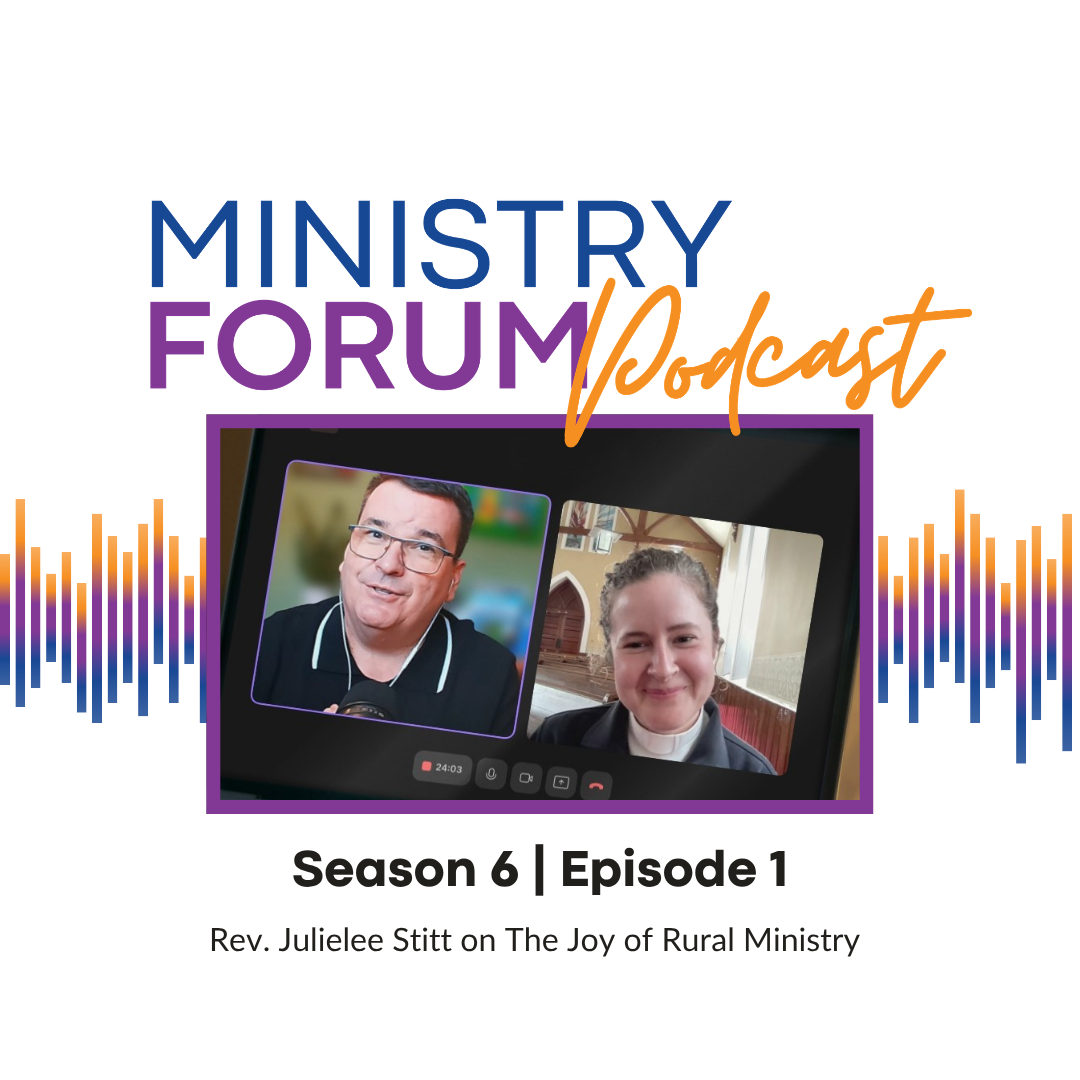
A few weeks ago, Director John Borthwick spoke with Rev. Julielee Stitt on the Ministry Forum Podcast. She serves both Sand Hill and St. John’s Presbyterian Churches, just east of Kingston, Ontario. Their conversation focused on rural ministry.
Several themes came up during that conversation, and we wanted to reflect on them further with the wider Ministry Forum community. Along with Julielee’s thoughts, we’ve included articles, books, and reflections from others involved in rural ministry in Canada and the U.S.
You’ll also find links to books that ministry leaders often recommend for those interested in rural church ministry below.
Rural ministry is built on strong relationships
“You are doing life together”
In many rural churches, ministry is less about formal programs and more about being close, knowing each other, and building long-term relationships. People know each other’s stories. They notice who is sick, who is grieving, whose children have moved away, whose tractor broke, and who has missed worship for a few weeks.
Because of these close ties, the church often becomes a central part of daily life.
One pastor described rural ministry by saying, “You’re not just the pastor of the church, you’re the pastor of the whole town.” Another described rural churches as places “where I know everyone’s name, and they know mine.”
Many churches today are looking for ways to build real community in a culture where loneliness and isolation are common. Rural congregations aren’t perfect and face their own challenges, but many still believe that people are connected to each other in meaningful ways.
Meals together and visiting are a significant part of ministry. Showing up in every day life moments matter.
Rev. Lynne Gardiner, in her article for The United Church of Canada, describes rural ministry as a place where “sharing a meal is considered as sacred as worship.” The Humble Strength of Rural Faith Communities
This idea matches what many rural churches already know by experience. What could be learned from this posturing in churches across rural and urban contexts?
Small churches are not failed churches
Julielee spoke honestly about hearing people dismiss small congregations as though they are simply waiting to close, and this tension seems to show up in many rural ministry conversations.
Some people assume that “healthy” churches are the ones that grow fast, add new programs, hire more staff, and expand. Rural churches often don’t fit this picture. Many are small, have older members, and work with tight budgets and few volunteers.
But that doesn’t mean these churches are unhealthy.
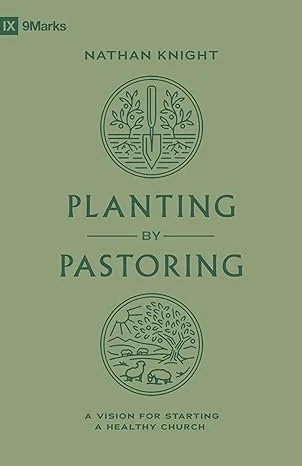
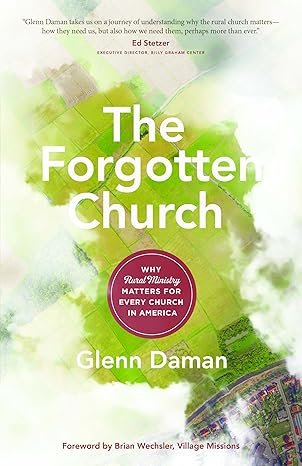
In The Forgotten Church: Why Rural Ministry Matters for Every Church in America, author Glenn Daman argues that rural churches are often misunderstood by both urban ministry culture and the wider church. Likewise, Nathan Knight’s Planting by Pastoring challenges the tendency to measure ministry primarily through size, speed, and efficiency, arguing instead for ministry shaped through discipleship, faithful presence, and flourishing community life.
This is especially true for rural churches.
In a church with only fifteen or forty people, everyone needs to take part.
Larger churches often have many resources and opportunities, but smaller congregations tend to encourage shared responsibility and participation.
Julielee mentioned this as well. In small rural churches, people often help out because it’s needed. Over time, this involvement becomes meaningful, and people feel that the church truly belongs to them.
Rural churches often become anchors for their communities
Many rural communities across Canada have changed dramatically over the last few decades.
Schools merged, hospitals closed, small-town newspapers shut down, young people left for work or school, and local businesses struggled to stay open. Yet in many communities, the church(es) remains.
The article Building Thriving Rural Congregations from the Lewis Center for Church Leadership described rural churches as “anchor institutions” within their communities.
We heard this idea in many different ways while researching.
Rural churches do more than hold Sunday services. They hold memories, provide continuity, build relationships, support local leaders, and help shape community identity. In some places, they are one of the last places where people of all ages still gather.
An older article from Broadview Magazine described churches sharing space with community halls to save heating costs in the winter, and church suppers attended by half the surrounding municipality. Rural Churches Stay Strong Across Canada, the Heart of Faith and Hope
Many rural churches show a uniquely Canadian spirit by working together across denominations. In small communities, ministry leaders often cooperate because it’s necessary, and relationships matter more than labels.
And ultimately, in many rural places, churches continue to serve as gathering spaces for major milestones in people’s lives, like funerals, weddings, and annual dinner events. These things might seem ordinary, but they often shape people’s lives more than we think.
The wider church may have something to learn here
It’s easy to make rural ministry sound ideal, but that wouldn’t be fair.
Rural churches deal with real challenges. Many are struggling with tight finances and emotional strain. Ministers often serve large areas and juggle administration, pastoral care, worship planning, and being present in the community. Some churches will close or merge, and rural communities keep changing.
Still, many rural congregations see the church as a group to belong to, not just something to attend.
This isn’t only true for rural churches. Many urban and suburban congregations do this well too. But rural churches often keep ways of sharing life together that the modern church sometimes struggles to maintain.
Slowness.
Hospitality.
Participation.
Long-term relationships.
Shared responsibility.
A sense of place.
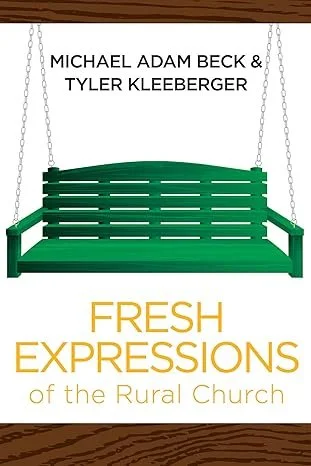
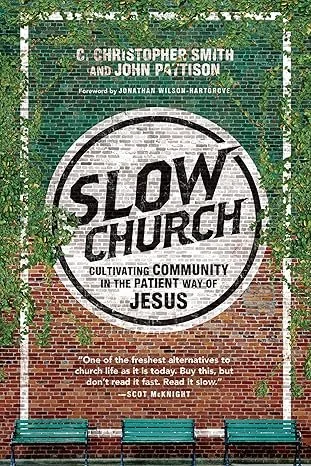
In Slow Church: Cultivating Community in the Patient Way of Jesus, Christopher Smith and John Pattison challenge churches to resist the speed, efficiency, and consumerism that often shape modern culture. And in Fresh Expressions of the Rural Church, Michael Beck and Tyler Kleeberger describe rural churches as places that can still cultivate belonging, healing, rootedness, and renewal within their communities.
This seems especially important today.
In a divided culture where many people are looking for belonging, small rural churches may hold more wisdom than we sometimes recognize.
Recommended Reading on Rural Ministry