
3 Books To Read Before A Congregational Placement
From Field Contributor, Sara Traficante
A question I have been asked by student colleagues as they prepare to begin their practicum experiences is: What do you recommend I read to prepare?
There are a few titles that I keep coming back to and that I’m happy to share with you here. Each has helped shape both my ministry work in the church and my developing practice as a spiritually integrated therapist.
1. The Healing Path: A Memoir and an Invitation — James Finley (Find it Here)
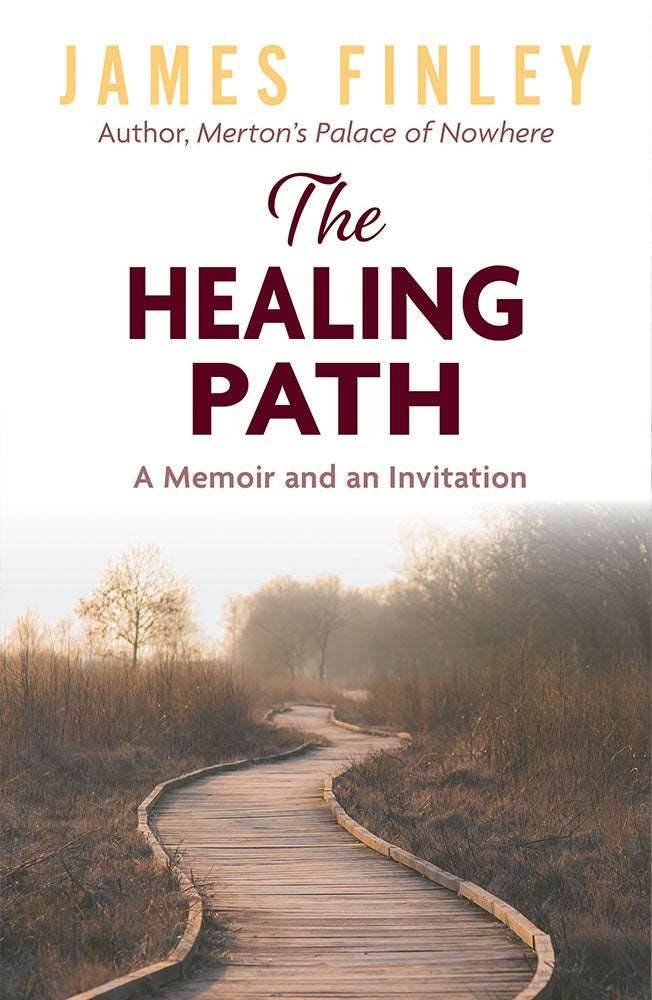
Finley has been a companion on my journey for the past few years, beginning with my discovery of his work as a faculty member at the Center for Action and Contemplation.
During my recent hospital CPE unit, I took a deeper dive into his work around psychotherapy, spiritual direction, and the regular practice he describes as a “rendezvous with God” through contemplative practice. What I find particularly compelling is the depth of his pedagogy and his curiosity about how we communicate the presence of God through our own way of being. He writes:
“Finding our way along the healing path...
does not consist of striving for some far-off goal that we may or may not attain, but rather of discovering a sacred hidden deep within our hearts.
does not consist of figuring out some obscure teaching but rather consists of learning to see God hidden and revealed in all that we see.
does not consist of mastering some method of meditation but rather consists of learning not to do violence to the fragility of our waiting.”
If you enjoy contemplative practice, here is some bonus reading: Brother Lawrence’s Practice of the Presence: A Revolutionary Translation by Carmen Acevedo Butcher. I particularly enjoyed this translation.
2. Sacred Self-Care: Daily Practices for Nurturing Our Whole Selves — Chanequa Walker-Barnes (Find it Here)
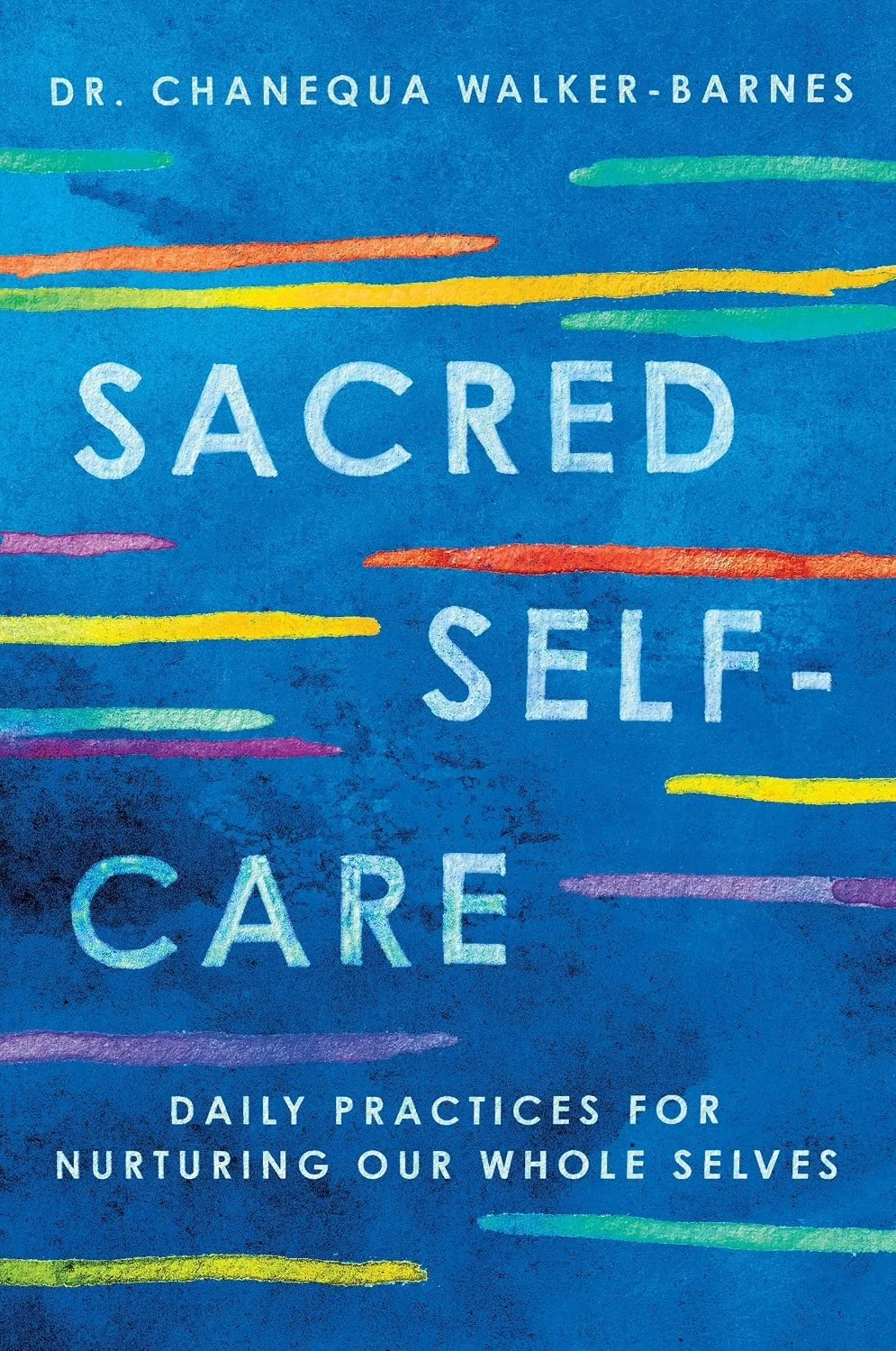
Walker-Barnes is a theologian and psychologist whose work includes a particular focus on ministry leaders. This book emphasizes self-compassion as a form of self-care and “a necessity for true discipleship.” She writes:
“While many Christians understand compassion, mercy, and kindness to be essential in our interactions with others, we don’t always see these as core values for our relationship with ourselves.”
The book is organized as a series of 49 daily practices, including an outline that could be used as a Lenten devotional, either personally or with a congregation. I have also used chapters from this book to lead devotions with groups. I continue to be encouraged by Walker-Barnes’ wisdom about giving ourselves compassion so that we can continue to give to others.
3. Waking the Tiger — Peter Levine (Find it Here)

For those of us who care for people in or following moments of crisis, Peter Levine’s Waking the Tiger offers helpful insights into how we can care without rushing through a traumatic experience. The basic idea is to offer “emotional first-aid" with early support emphasizing safety and attention to embodied responses rather than immediately seeking to process the story verbally.
The temptation can be strong to immediately understand what has happened and hear the story. Levine invites us to consider other ways of approaching suffering, beginning with presence, safety, and the wisdom of the body.