
Burn Out & Finding Mental Health Support In Ministry for 2026
This week, we’re naming the heaviness of what it means to serve in a care-based vocation. We hold stories of grief and celebration, navigate complex dynamics, and try to remain faithful in contexts that are often under-resourced and deeply in flux. And it’s hard work.
Our Ministry Forum team is working on something to help in this area — the Listening Support Network - which you can read more about in our companion post. This is an area of ministy we are deeply passionate about and one we’ve talked about before. Below is a post we shared a while back and for this week’s theme of “finding support” we decided to revisit with a few updated resources you can dig into today.
We hope something here will help you tend your own soul, support those around you, and maybe even discern new ways to give back.
Finding Professional Mental Health Support
If you are struggling emotionally, psychologically, or spiritually, and especially if you are experiencing persistent anxiety, depression, traumatic stress, or suicidal thoughts professional support matters. Talking to a trained therapist or counsellor is important.
Here are some ways to find clinically trained help that can work with your needs and identity:
1. Therapist Directories
Psychology Today Directory — lets you filter by therapeutic approach, specialties, and often by faith background (e.g., Christian counsellors).
(This remains one of the most widely used therapist finder tools — including by ministry leaders looking for somatic therapists, trauma‑informed clinicians, and faith‑sensitive practitioners.) Browse therapists via Psychology TodayTry a quick Google Search for counselling that focuses on “helping professions” in your area. There are usually therapists, counsellours and collectives that specialize in this type of work like this Ontario based group focusing on compassion fatigue.
2. Professional Church Worker Supports
If you are part of a denominational system or organizational body that offers Employee Assistance Programs (EAP) or mental health benefits (e.g., for professional church workers), check what’s available! Many include short‑term counselling at no cost. Here’s the brief on the one from the PCC.
3. Crisis Support
If you or someone you know is in immediate distress call or text the Crisis Helpline at 9‑8‑8, this service is available 24/7 for support from trained, compassionate responders. These services are not therapy, but they are immediate, non‑judgmental, and confidential support when things feel overwhelming.
Beyond Therapy: Support That Holds Space
Sometimes you need someone to listen, not diagnose or direct; someone to sit with you in the tension, hold space for your questions, or help you name what’s hard. Here are several approaches that can complement professional care:
1. Spiritual Direction
Spiritual directors are trained to walk with you as you listen for God’s voice in your interior life — helping you discern where God is at work, where you are tired, and where you are being invited into deeper life. This is not therapy, but it’s often deeply restorative for people in vocational ministry.
2. Coaching
A skilled coach can help you reflect on patterns, priorities, and goals (not by “fixing you”), but by asking powerful questions that expand your clarity and agency.
Unlike therapy, coaching focuses forward, with curiosity and intentionality.
3. Peer Support and Group Spaces
Peer support groups create shared contexts where leaders can be real with one another, celebrate wins, lament losses, and ask questions without fear of evaluation - this is one of our driving factors behind the Listening Support Network <- Learn more about what we have planned and how you can be a part of it!
Burn Out
It’s rare to meet someone in ministry who doesn’t have a personal story about ‘burnout’ these days. There are various factors that contribute to burnout not the least of which is whether one’s workload is sustainable. We wrote more in depth about the reality of clergy burn out here and the state of clergy mental health here. Below are several resources we would recommend for anyone wanting to dig into this topic more deeply - either for understanding their own situation, or to begin helping those around you.

The Burn Out Challenge: Managing People’s Relationships with Their Jobs
By Christina Maslach, Michael P Leiter
Two pioneering researchers identify key causes of workplace burnout and reveal what managers can do to promote increased productivity and health.
Burnout is among the most significant on-the-job hazards facing workers today. It is also among the most misunderstood. In particular, we tend to characterize burnout as a personal issue―a problem employees should fix themselves by getting therapy, practicing relaxation techniques, or changing jobs. Christina Maslach and Michael P. Leiter show why this is not the case. Burnout also needs to be managed by the workplace.
Citing a wealth of research data and drawing on illustrative anecdotes, The Burnout Challenge shows how organizations can change to promote sustainable productivity. Maslach and Leiter provide useful tools for identifying the signs of employee burnout, most often exhaustion, cynicism, and ineffectiveness. They also advise managers on assembling and interpreting worker self-evaluation surveys, which can reveal workplace problems and potential solutions. And when it comes to implementing change, Maslach and Leiter offer practical, evidence-driven guidance. The key, they argue, is to begin with less-taxing changes that employees nonetheless find meaningful, seeding the ground for more thorough reforms in the future.
Experts estimate that more than $500 billion and 550 million workhours are lost annually to on-the-job stress, much of it caused by dysfunctional work environments. As priorities and policies shift across workplaces, The Burnout Challenge provides pragmatic, creative, and cost-effective solutions to improve employee efficiency, health, and happiness.

Flourishing in Ministry: How to Cultivate Clergy Wellbeing
By Matt Bloom
Pastoral work can be stressful, tough, demanding, sometimes misunderstood, and often underappreciated and underpaid. Ministers devote themselves to caring for their congregations, often at the expense of caring for themselves. Studies consistently show that physical health among clergy is significantly worse than among adults who are not in ministry. Flourishing in Ministry offers clergy and those who support them practical advice for not just surviving this grueling profession, but thriving in it.
Matt Bloom, director of the Flourishing in Ministry project, shares groundbreaking research from more than a decade of study. Flourishing in Ministry project draws on more than five thousand surveys and three hundred in-depth interviews with clergy across denominations, ages, races, genders, and years of practice in ministry. It distills this deep research into easily understandable stages of flourishing that can be practiced at any stage in ministry or ministry formation.
10 Books for Rest, Renewal and Taking Time Off in Ministry
In this post we curated a selection of reads to inspire rest and to support your journey toward spiritual health and vocational sustainability.
Including: Pastoral Pause: A Practical Guide to Renewal Leave, The Unhurried Pastor: Redefining Productivity for a More Sustainable Ministry, Embracing Rhythms of Work and Rest: From Sabbath to Sabbatical and Back Again, The Ruthless Elimination of Hurry: How to Stay Emotionally Healthy and Spiritually Alive in the Chaos of the Modern World…
Read the full list here
Visit The Resource Hub
Over the past few years, we’ve gathered articles, webinars, book lists, and reflections designed specifically for ministry leaders who are navigating the complex realities of caring for others while also caring for themselves.



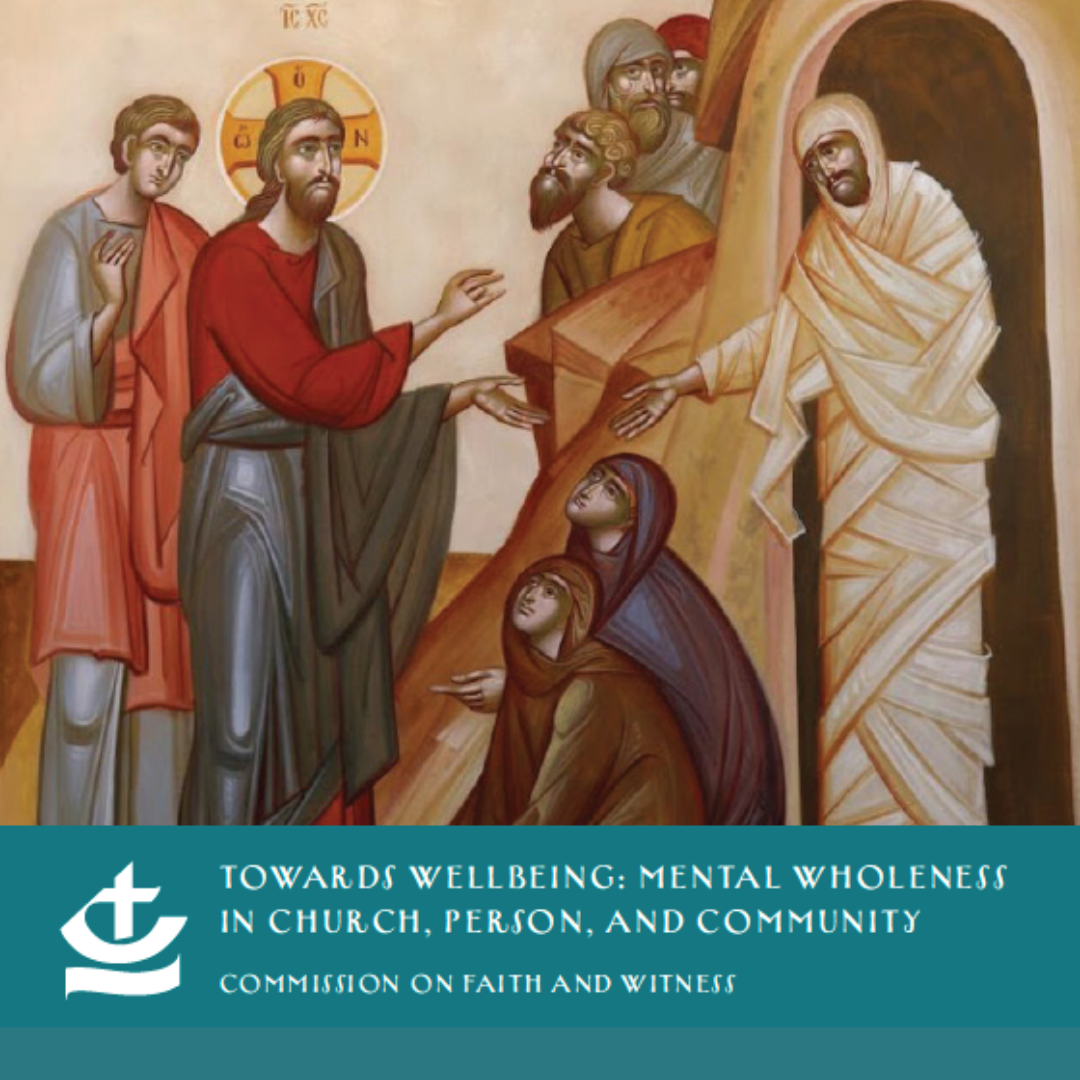





The Unthinkable Resource Hub is a curated collection of books, articles, videos, podcasts, guides, courses, and organizations focused on climate change and mental health. Covering topics such as climate anxiety, ecological grief, emotional resilience, climate justice, and community support, it provides evidence-informed resources for individuals, educators, mental health professionals, and faith leaders seeking to better understand and respond to climate-related emotional wellbeing.