Celebrating 5 Seasons of The Ministry Forum Podcast
And just like that, we’ve wrapped up the FIFTH SEASON of the Ministry Forum Podcast!
This season has been filled with engaging and wide-ranging conversations with ministry leaders, scholars, authors, and practitioners who are helping us think more deeply about the life of the church. This season we explored topics like mental health in congregational life, the role of worship and spiritual care, digital presence in ministry, creative practices of prayer, spiritual renewal, and what faithful ministry can look like in the midst of real social challenges.
We really covered a lot of ground over the last few months and we’re grateful for the opportunity to catch a glimpse into the many ways God continues to shape and sustain ministry today.
One of the things we value most about the podcast is the opportunity to host longer, more reflective conversations that allow leaders to share stories, and insights from their work. These conversations remind us that ministry is diverse and we have much to learn from one another.
If you haven’t had a chance to listen to the episodes from this season yet, we invite you to explore the full collection below.
AND if you’re new to the Ministry Forum Podcast, we’d love for you to subscribe and join us (find us wherever you stream your favourite podcasts). With five seasons of conversations already available, there is already a deep library of voices reflecting on ministry, faith, and the life of the church.
Season Five
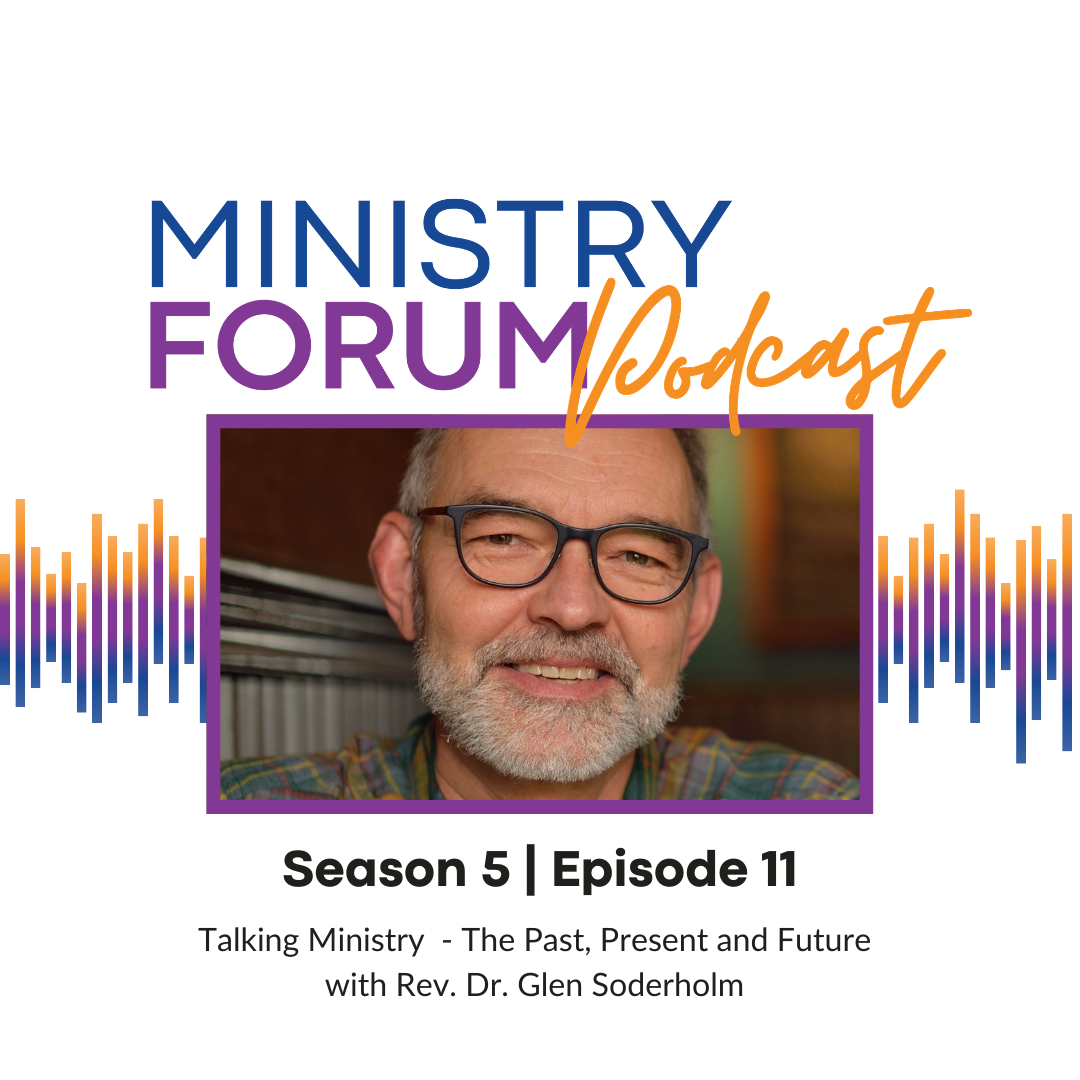
In our conversation with Glen Soderholm, we trace the shape of a lifetime spent helping congregations sing. Glen reflects on his early ministry, the musicians who formed him, and the joys and challenges of leading worship in real churches with real people. He talks about pastoral presence, musical craft, theological depth, and the surprising gift of staying rooted. It’s a rich, humble conversation about worship as a long obedience — one shaped by love for God, love for people, and love for the church.
In our conversation with Trish Heidebrecht Archibald, we explore how worship can become a place of healing, honesty, and emotional grounding. Trish reflects on her work in the areas of trauma, attachment, and spiritual formation, and how these insights shape the way congregations gather and sing. She shares gentle, practical wisdom on creating spaces where people bring their whole selves — grief, joy, fear, and hope — without pressure to perform. It’s a thoughtful look at worship that pays attention to the body, honours human vulnerability, and opens space for God to meet people exactly where they are.
In this final episode of our three-part mental health series, we hear from Rev. Dr. Karen Dimock and Rev. Paul Kang, two ministry leaders who brought the course into their own communities. They share honest reflections on what surprised them, what stretched them, and how the course helped create spaces of safety, belonging, and deeper compassion. Their stories highlight the real work of integrating mental health, faith, and community life — and how learning together can quietly reshape a congregation’s posture toward care.
What does it look like for the church to become a genuinely safe place for people struggling with their mental health? In our conversation with Daniel Whitehead, CEO of Sanctuary Mental Health Ministries, we explore how burnout, vulnerability, theology, and ordinary life all intersect. Daniel shares openly about his own journey through pastoral exhaustion, the messy realities of leadership, and why the church’s role is more than crisis response — it’s belonging, community, and hope. He offers a grounded, thoughtful vision for how congregations can walk with people in ways that are faithful, practical, and deeply human.
Why do so many leaders feel stretched thin even when they love the work? Laura Howe, founder of Hope Made Strong, helps untangle that question with a blend of honesty and practical insight. She shares her own story of compassion fatigue, the gap she noticed between community care and church culture, and how that tension sparked a global movement toward healthier ministry. Laura offers a grounded vision for sustainable care—one rooted in belonging, clarity, and the simple practices that help people stay well while they serve.
In our conversation with Rev. Dr. Jeff Crittenden, we explore how ancient ideas of leisure, Sabbath, and early Christian practice can reshape the way congregations imagine ministry today. Jeff traces leisure from Greek philosophy to the first-century church, where meals, storytelling, healing, and shared responsibility created communities marked by dignity and joy. He also shares practical examples from his work in London, where rethinking leisure sparked new life in a closing congregation. It’s a hopeful, imaginative invitation to rediscover what truly helps people flourish.
Florence Sevensma helps unpack why digital presence matters for congregations of every size. She explores how people now “visit” online long before showing up in person, how small, consistent rhythms build trust, and why storytelling (not perfection) is what creates connection. Florence also shares practical, sustainable steps for capturing content, involving volunteers, and protecting both tone and mission. It’s an encouraging, accessible guide for ministry leaders who want to reach people scrolling for hope, belonging, and a place to land.
How does a whole diocese lean into spiritual renewal without getting lost in programs or pressure? Judy Paulsen walks us through the Diocese of Toronto’s two-year Season of Spiritual Renewal and the surprising things that grew when congregations focused on prayer, Scripture, and simple, steady practices. Judy shares stories of communities rediscovering connection, courage, and a shared sense of purpose. It’s renewal that looks less like a campaign and more like a quiet turning of the soil—slow, honest, and deeply hopeful.
In our conversation with Taylor Scott-Reimer, Scripture springs to life through the stories of women who faced impossible choices and still chose courage. Taylor reflects on what she’s learned from writing She Believed, why certain interpretations have done harm, and how reclaiming overlooked voices can steady our own faith today. Rahab, Tamar, the daughters of Zelophehad—each becomes a doorway into questions of power, belonging, and hope. It’s a thoughtful exploration of how ancient stories can reshape our own.
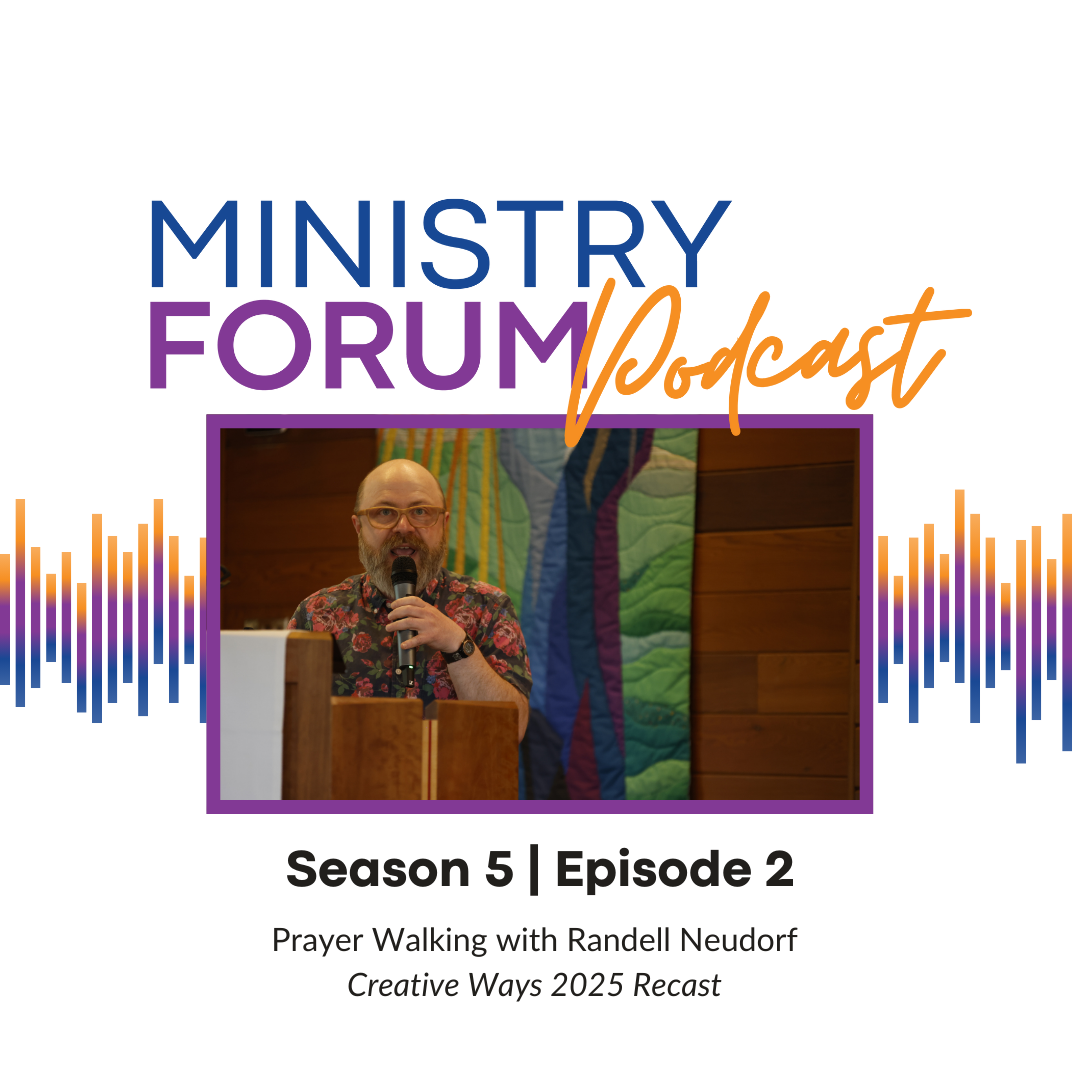
What happens when prayer gets messy, playful, and deeply local? In our Creative Ways recast with Randell Neudorf, listeners are invited to imagine prayer that moves—through streets, stories, and surprising moments of neighbourhood grace. Randell shares how graffiti walls, prayer walks, and small creative experiments help people pay attention to God’s presence right where they live. It’s practical, hopeful, and wonderfully down-to-earth, offering ministry leaders a way to explore prayer that grows out of curiosity rather than pressure.
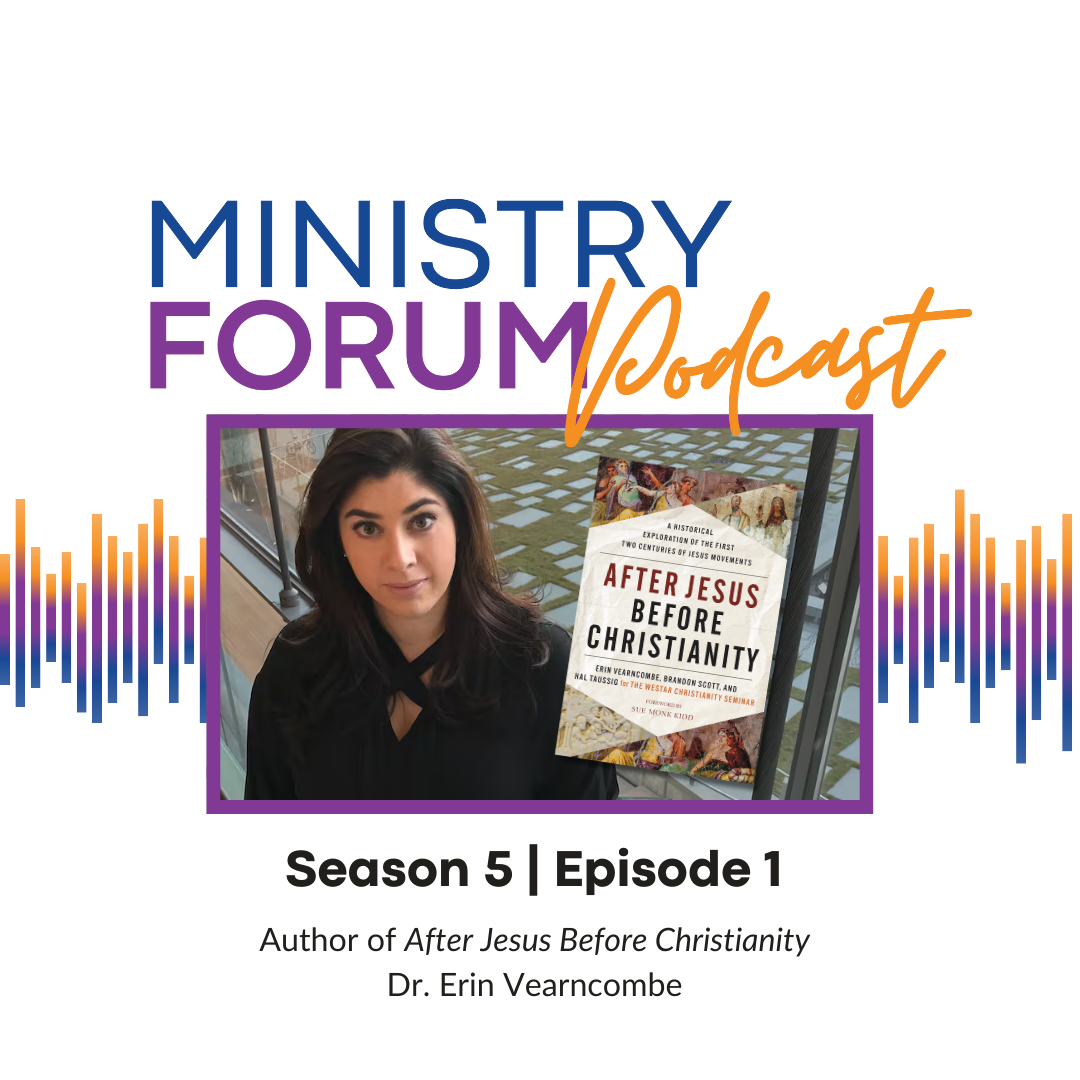
In our conversation with Dr. Erin Vearncombe, the world of early Jesus movements opens up in fresh and surprising ways. Erin talks about how communities in the first century used writing—not as polished theology, but as creative, communal meaning-making. She also reflects on co-authoring After Jesus, Before Christianity and why the earliest Jesus groups looked far more diverse, experimental, and ordinary than many of us imagine. Along the way, she explores grief, identity, trauma, and how the Gospel of Mark may function as a memorial for a community navigating profound loss. It’s curious, grounded, and full of gentle insight.
Season five is almost here, and the Ministry Forum Podcast is gearing up for a lineup we’re genuinely excited about. If you’ve been with us for a while, welcome back—and if you're new, you’ve picked a pretty great moment to jump in.
What does faithful ministry look like in the middle of an opioid, housing, and poverty crisis? In our conversation with Rev. Dr. Mark Lewis, we hear the remarkable story of St. Paul’s Presbyterian Church in Hamilton—a congregation that expected to close but instead chose radical hospitality. Mark shares how the church opened its doors to a safe injection site, partnered with community agencies, faced daily heartbreak, and rediscovered its mission through compassion. He reflects honestly on fear, resilience, burnout, and the surprising ways God reshapes a church when it asks, Who needs our help, and how can we use what we have for good?